Spring has sprung

8 09 2013

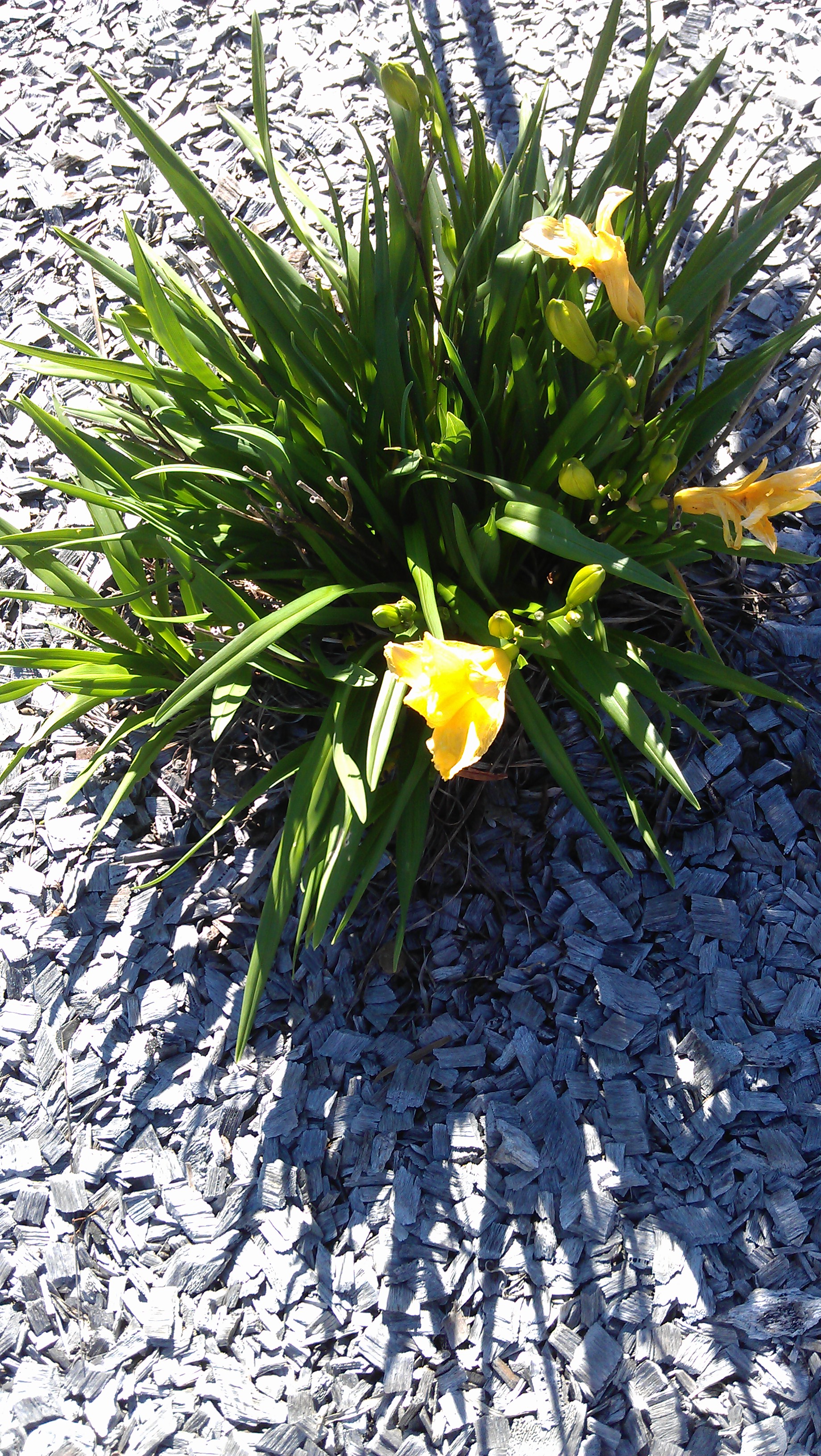
I spent part of this gorgeous spring Sunday morning in the garden (spraying weeds — not much fun) and I noticed how lots of the plants are bursting into flower. The bees are hard at work too!

Oh, and we have some ancient plant species in our (mostly) native garden.

garden01

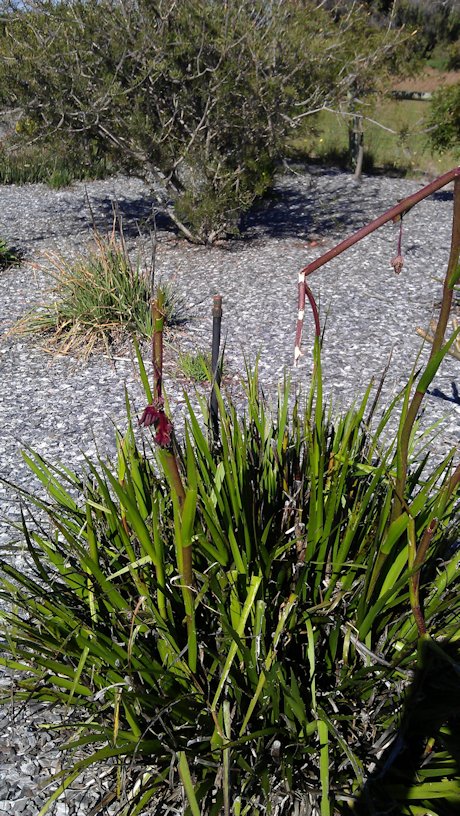
Green and black kangaroo paw

garden02

These orange kangaroo paws are ready to burst into full flower

garden03

Something (I suspect birds) is chopping off the new flower heads of some of the kangaroo paws

garden04

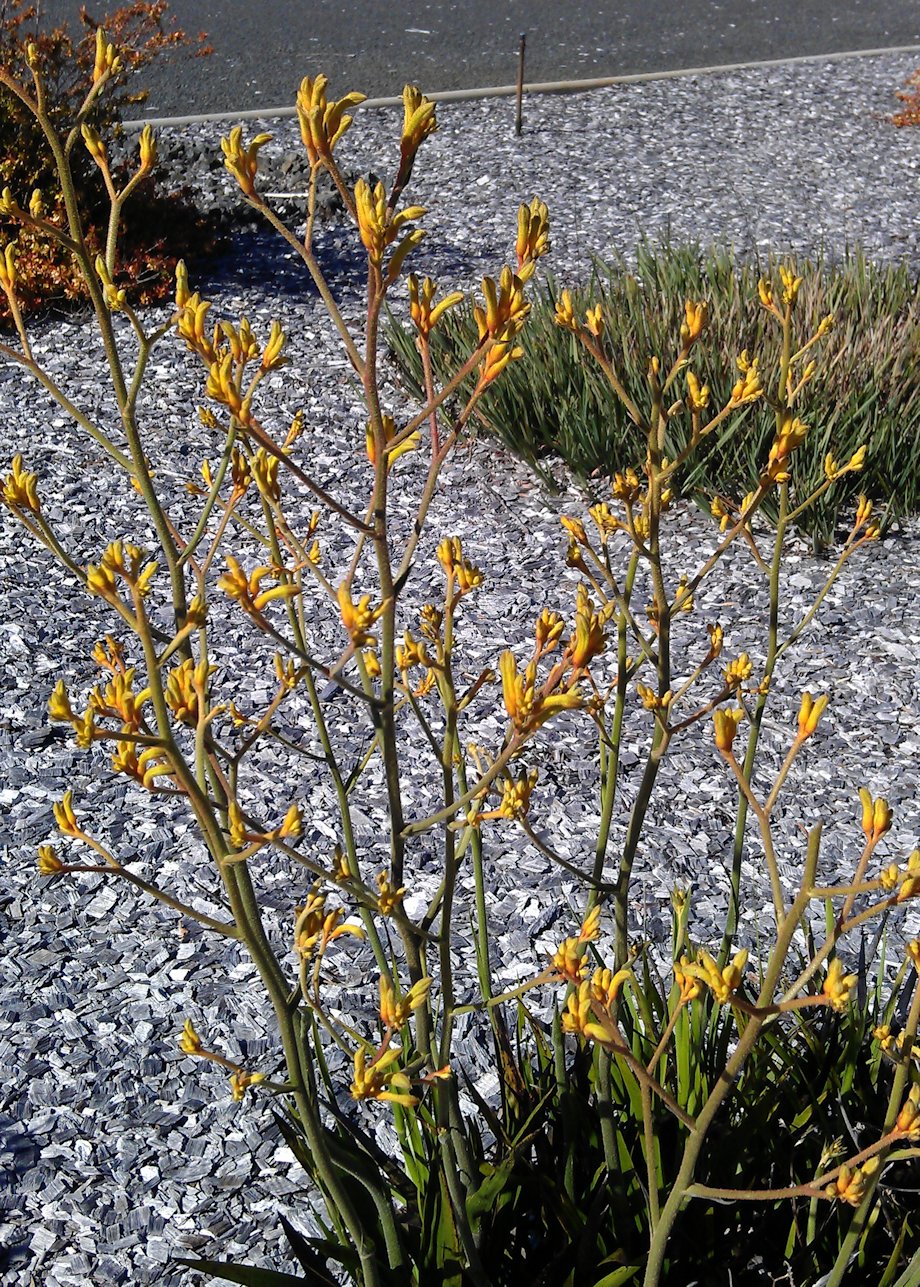
Yellow kangaroo paws ready to burst into full flower

garden12

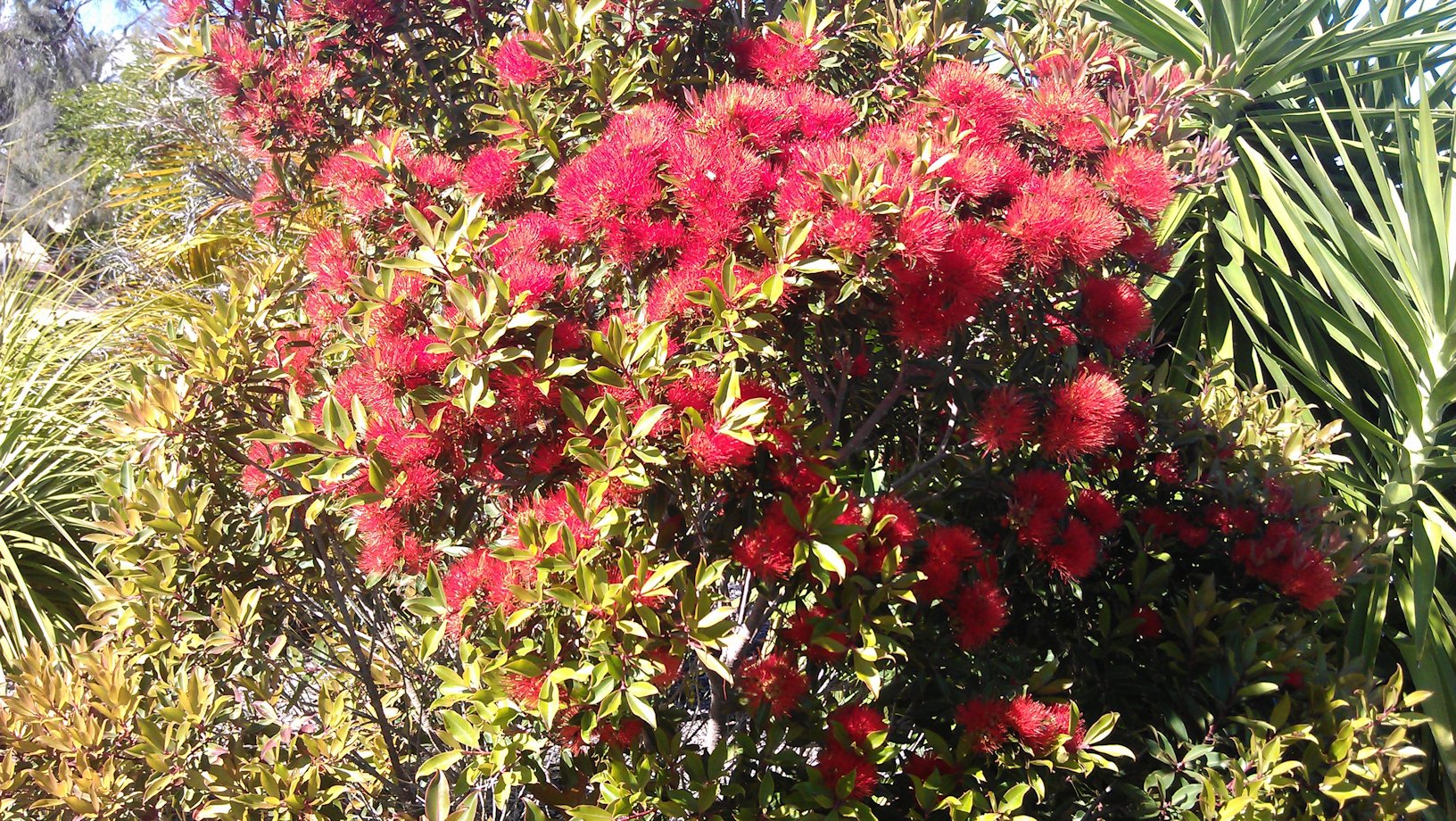
I think this is a NZ Christmas tree. Magnificent red flowers, though the camera doesn’t do the red justice.

garden13

NZ Christmas tree?

garden14

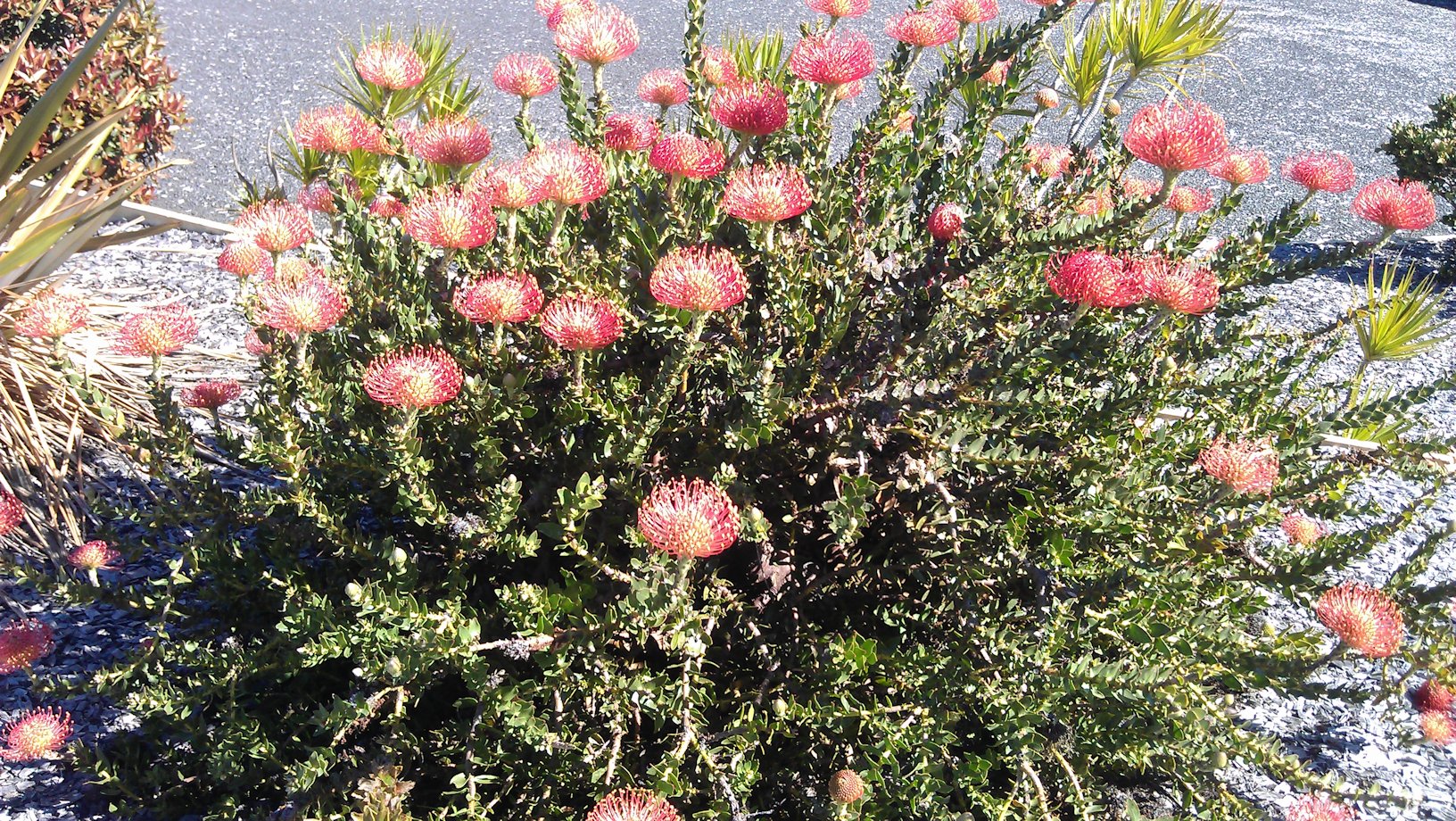
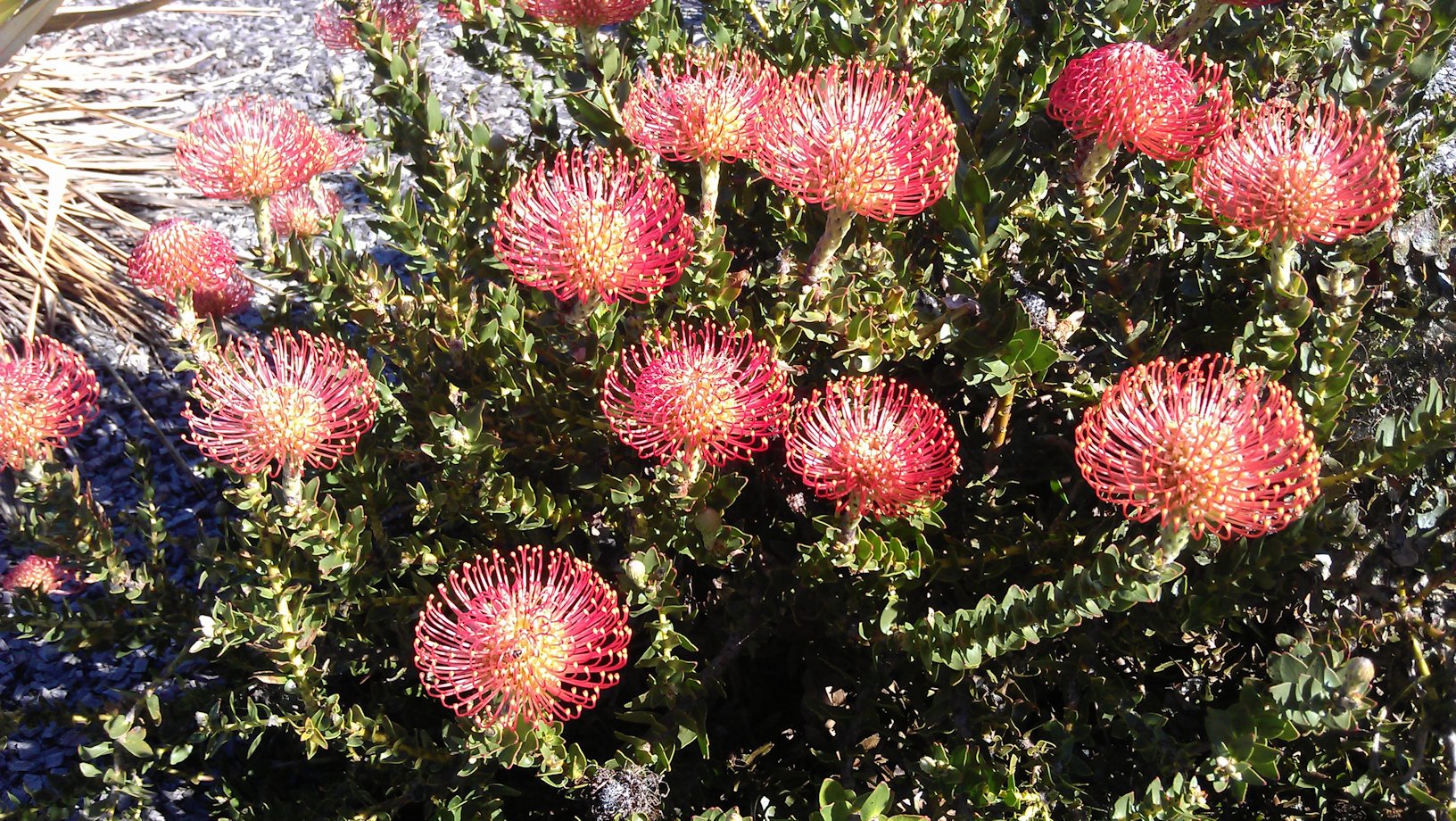
One of several varieties of proteas we have in the garden. The flower heads are bright orange, but again, the camera didn’t capture the true colour very well.

garden15

Protea flower heads

garden16

Closer view of those proteas

garden17

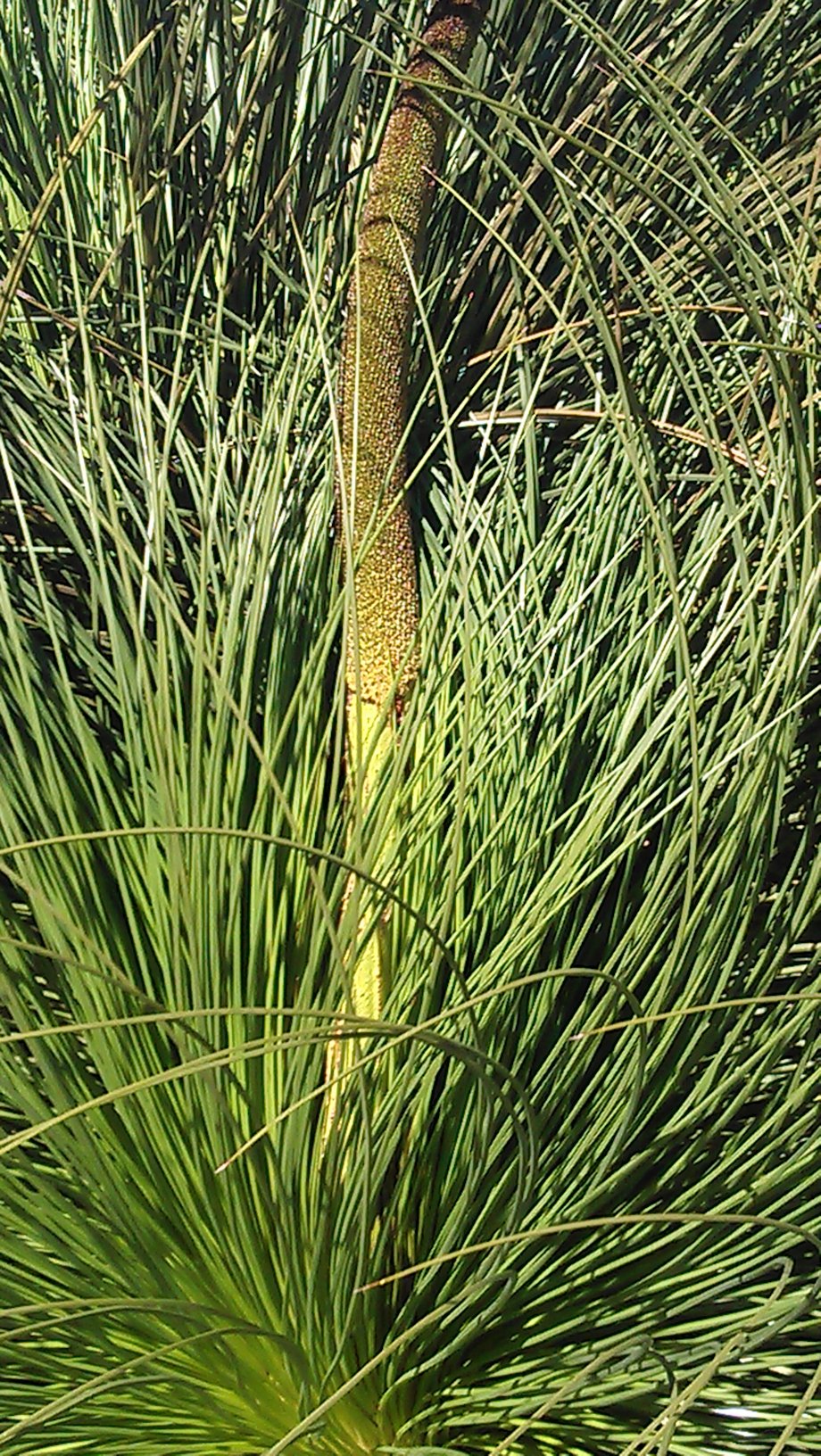
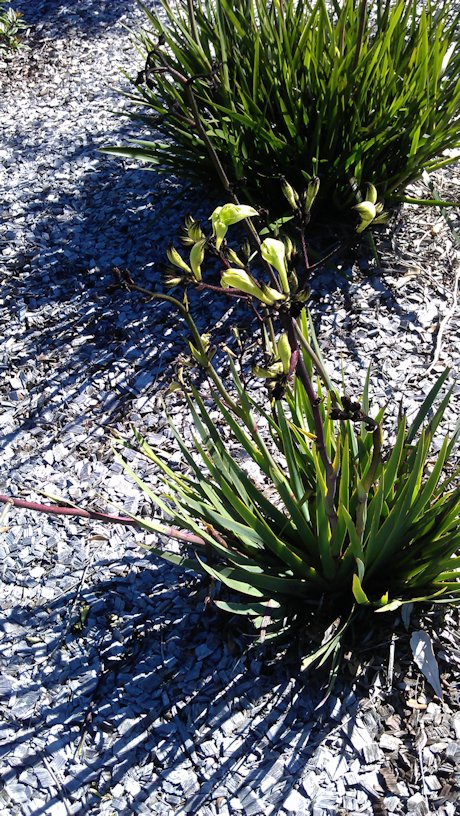
Grass tree sending forth its spear. Soon this spear will be about 2 metres long and covered with tine white/yellow flowers

IMAG1067

No idea what this one is, but suspect it’s part of the aloe/agave family

IMAG1066

Yellow strelitzia

IMAG1065

Orange strelitzia

IMAG1064

I think this is a cycad of some sort. I’ve never seen that centre ‘crown’ before. The others I have of these don’t have such a dominant crown yet — perhaps they are less mature?

IMAG1063

No idea 😉

IMAG1062

Also no idea 😉


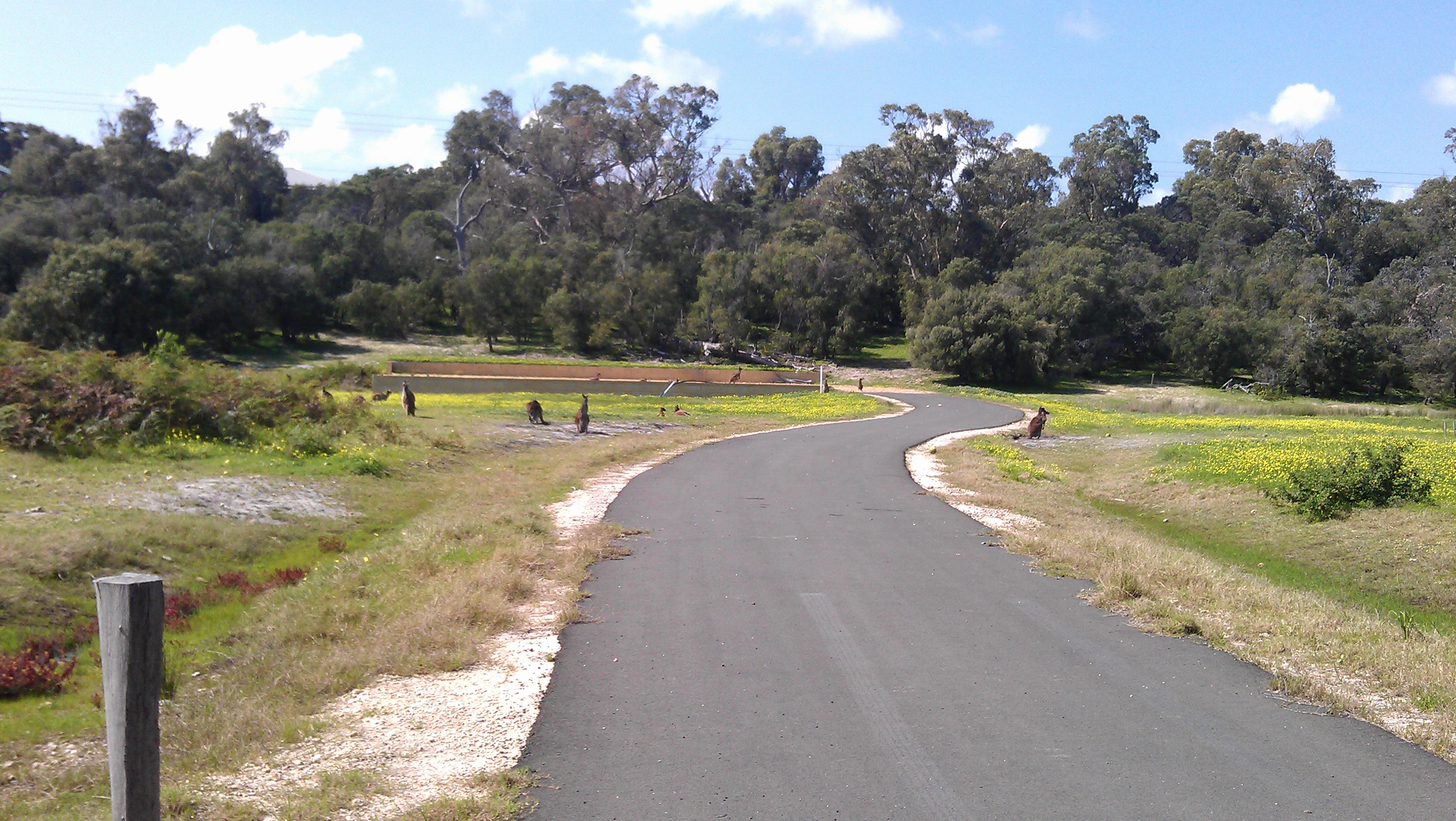
Kangaroos basking in the spring weather

8 09 2013

On my drive into town, I pass by a few paddocks that are home to several mobs (perhaps just one mob?) of grey kangaroos. These are wild roos, but they eat and laze in the paddocks, sometimes close to horses and houses. They rarely come onto the road, though you may see one on the road at night. If it’s too hot or too cold and wet, they hide up in the bush behind the paddocks and you can’t see them, but most days you can see some along about a 2 km stretch.

These ones were lolling about an empty block of land that’s for sale. The driveway and pad for the house have been established, but the roos have definitely taken over 😉 I’m not sure I’d like to build on that block — the garden would likely be FULL of kangaroo ticks.

IMAG1031

IMAG1032

IMAG1033

See also: https://rhondabracey.com/2010/09/08/local-kangaroos/


Population explosion

8 09 2013

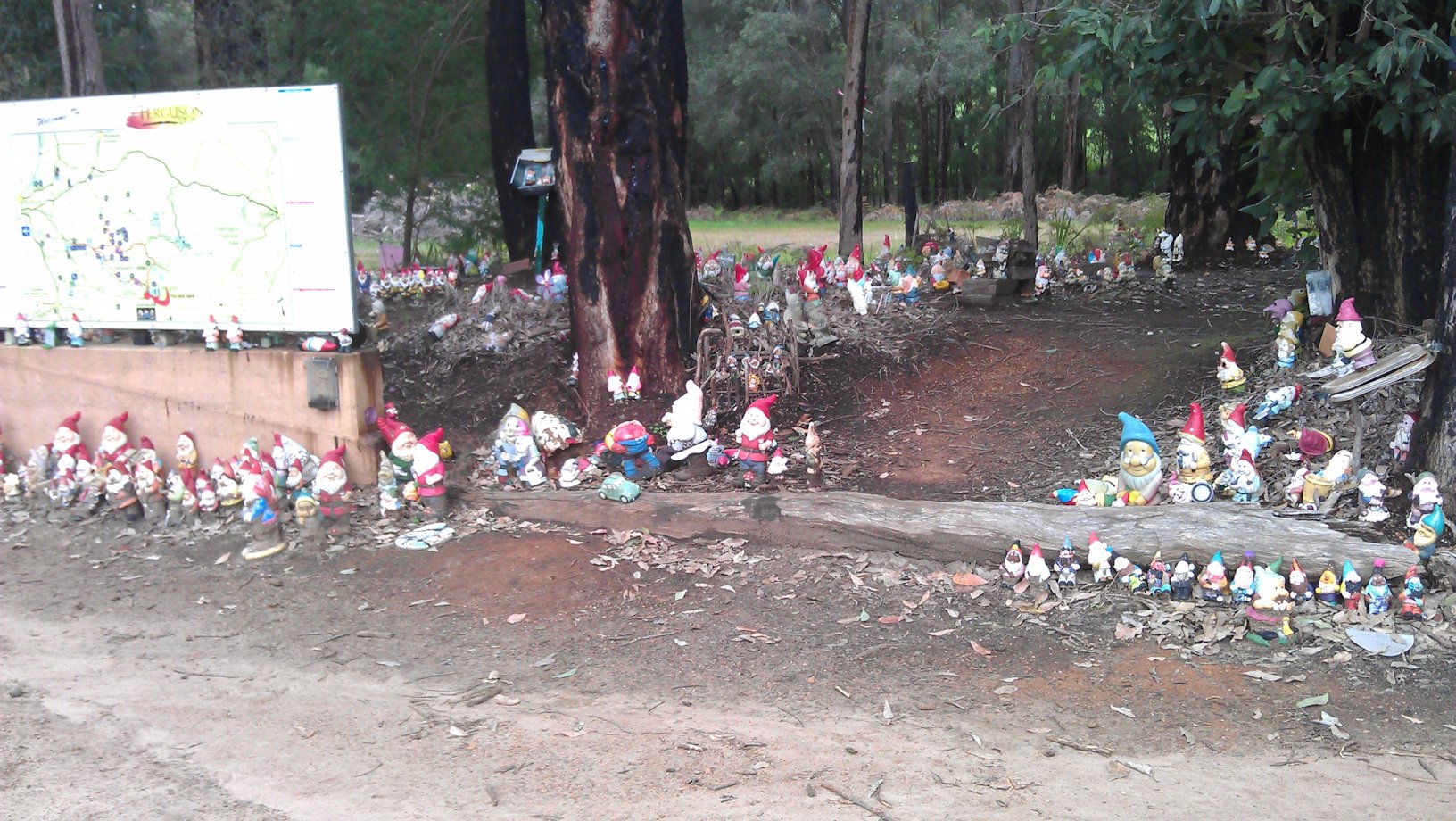
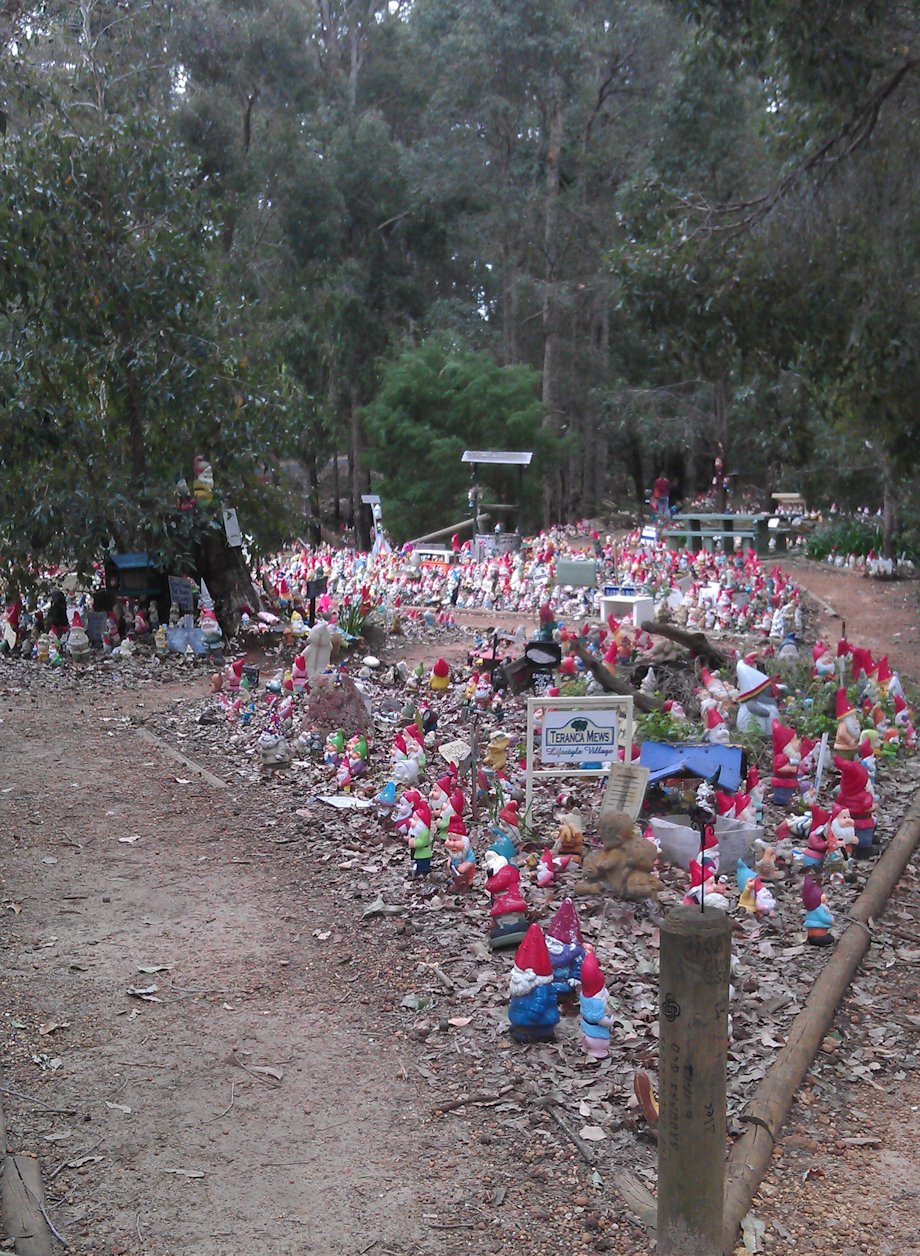
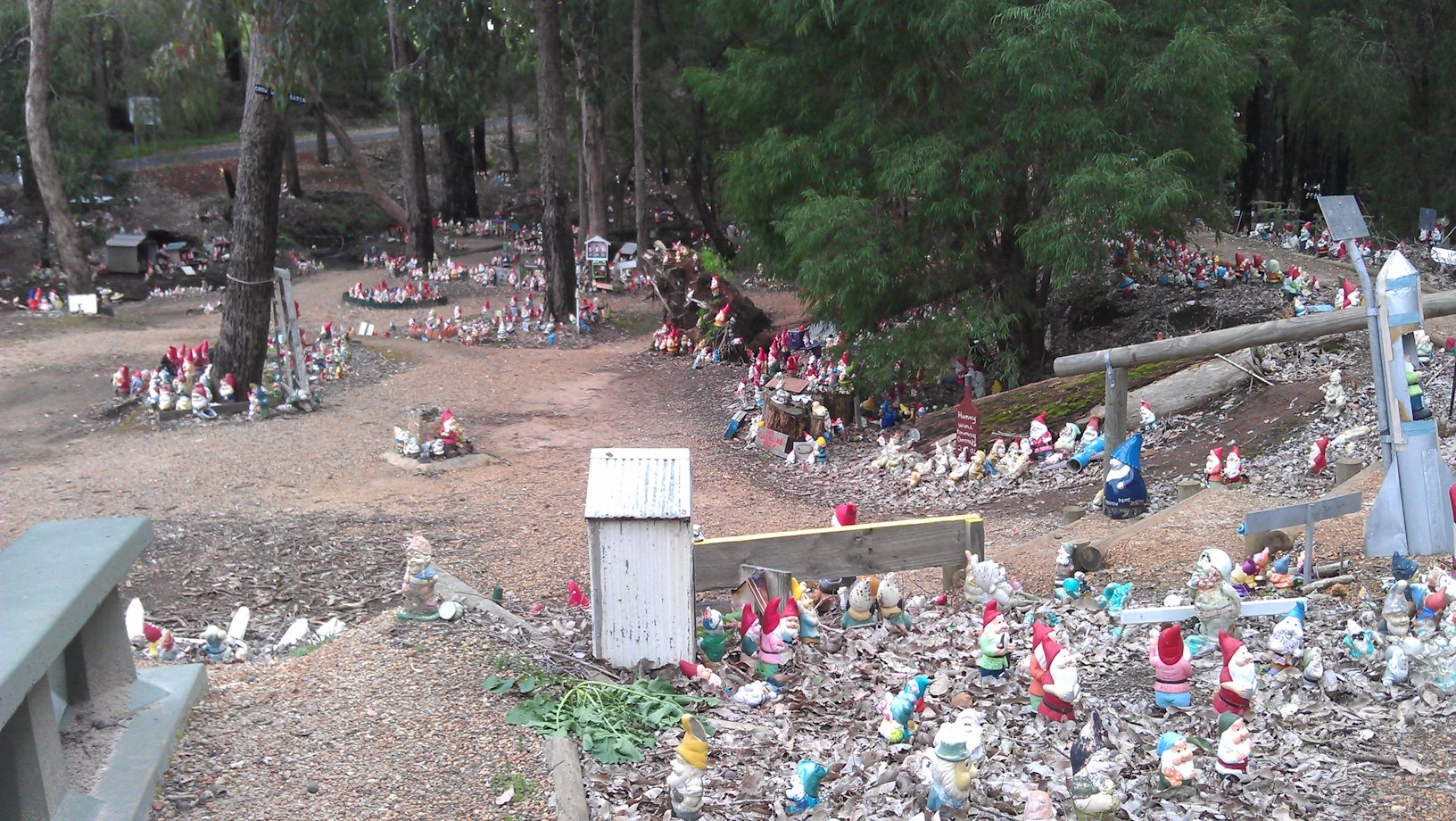
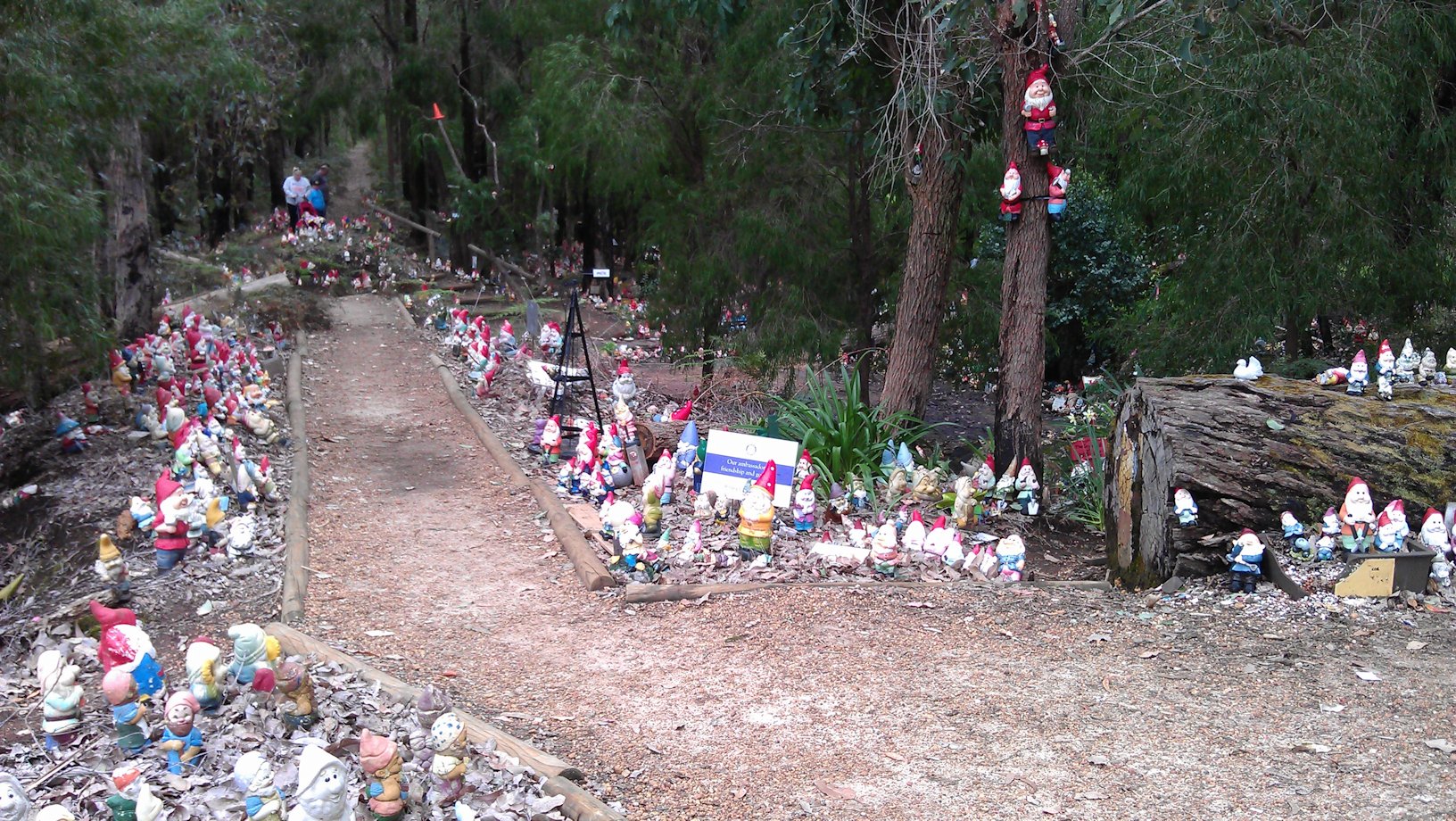
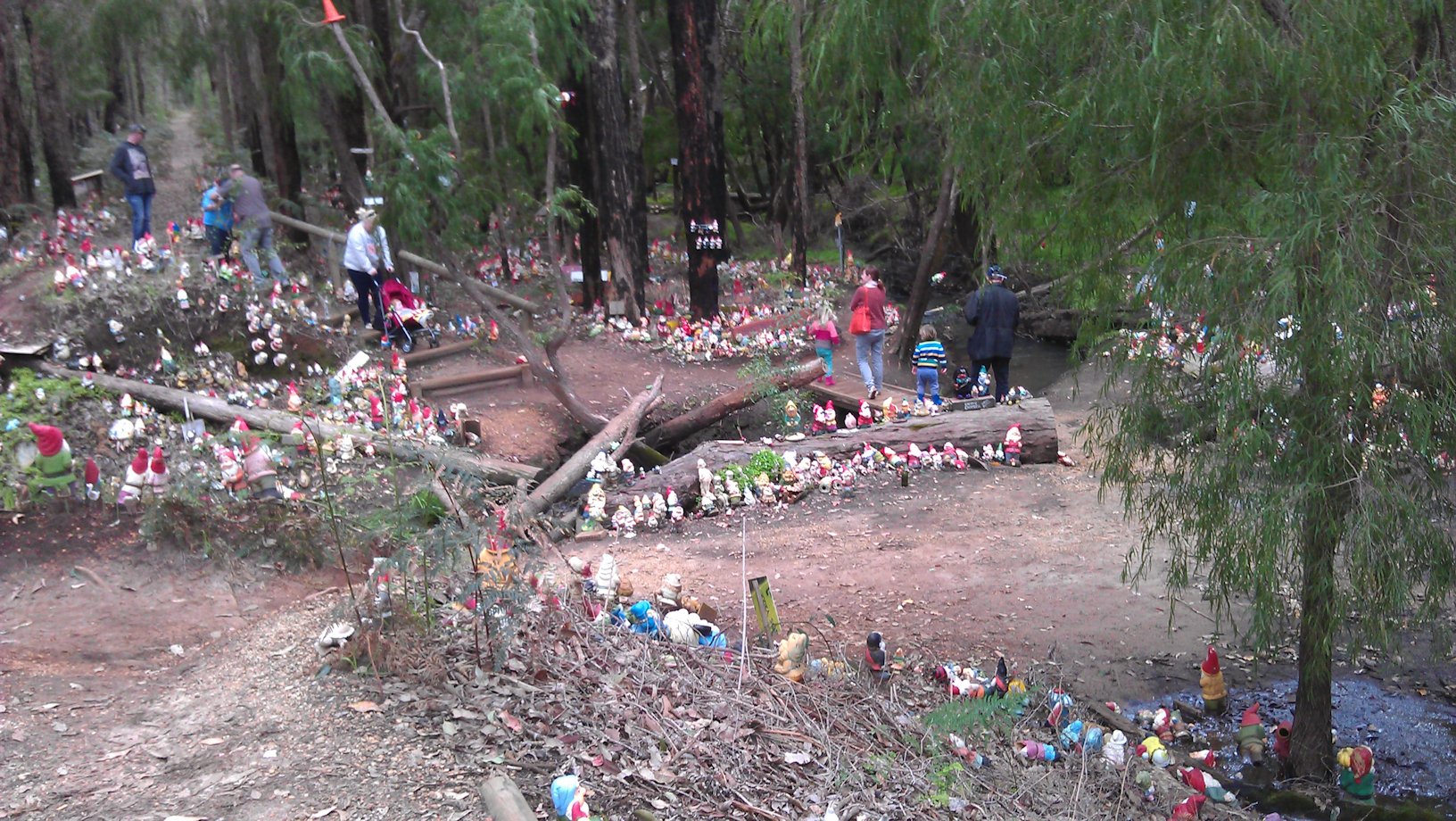
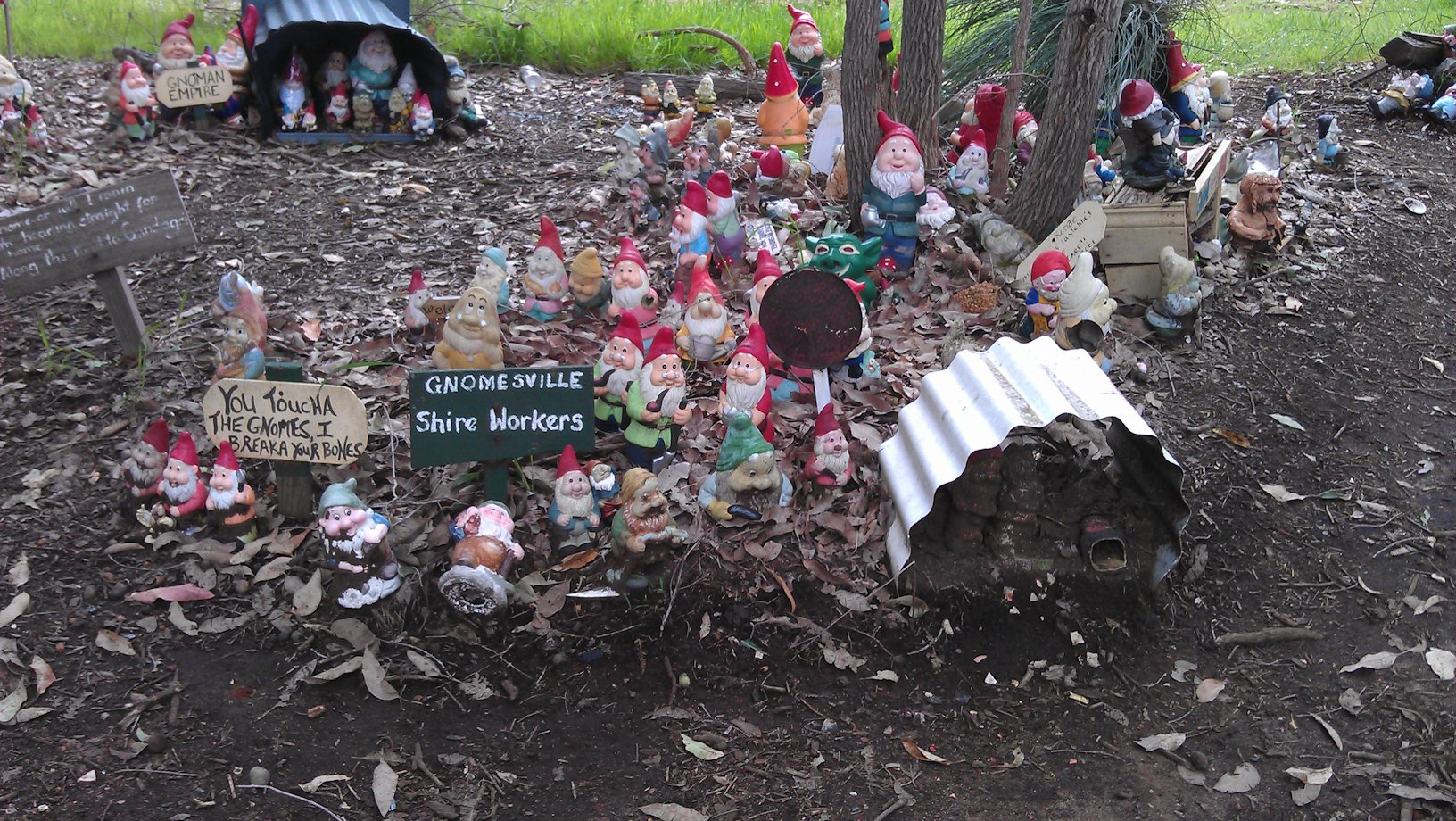
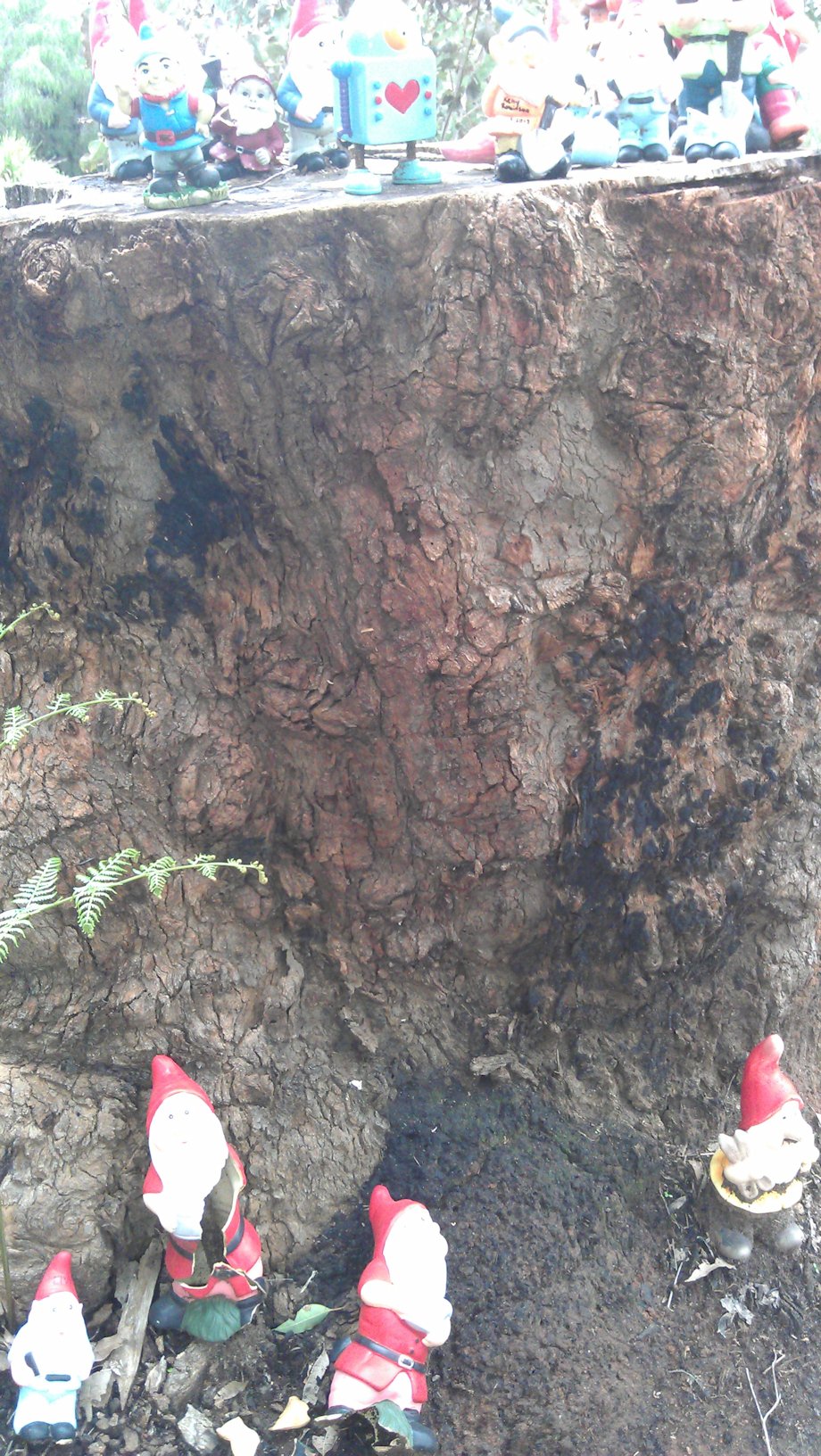
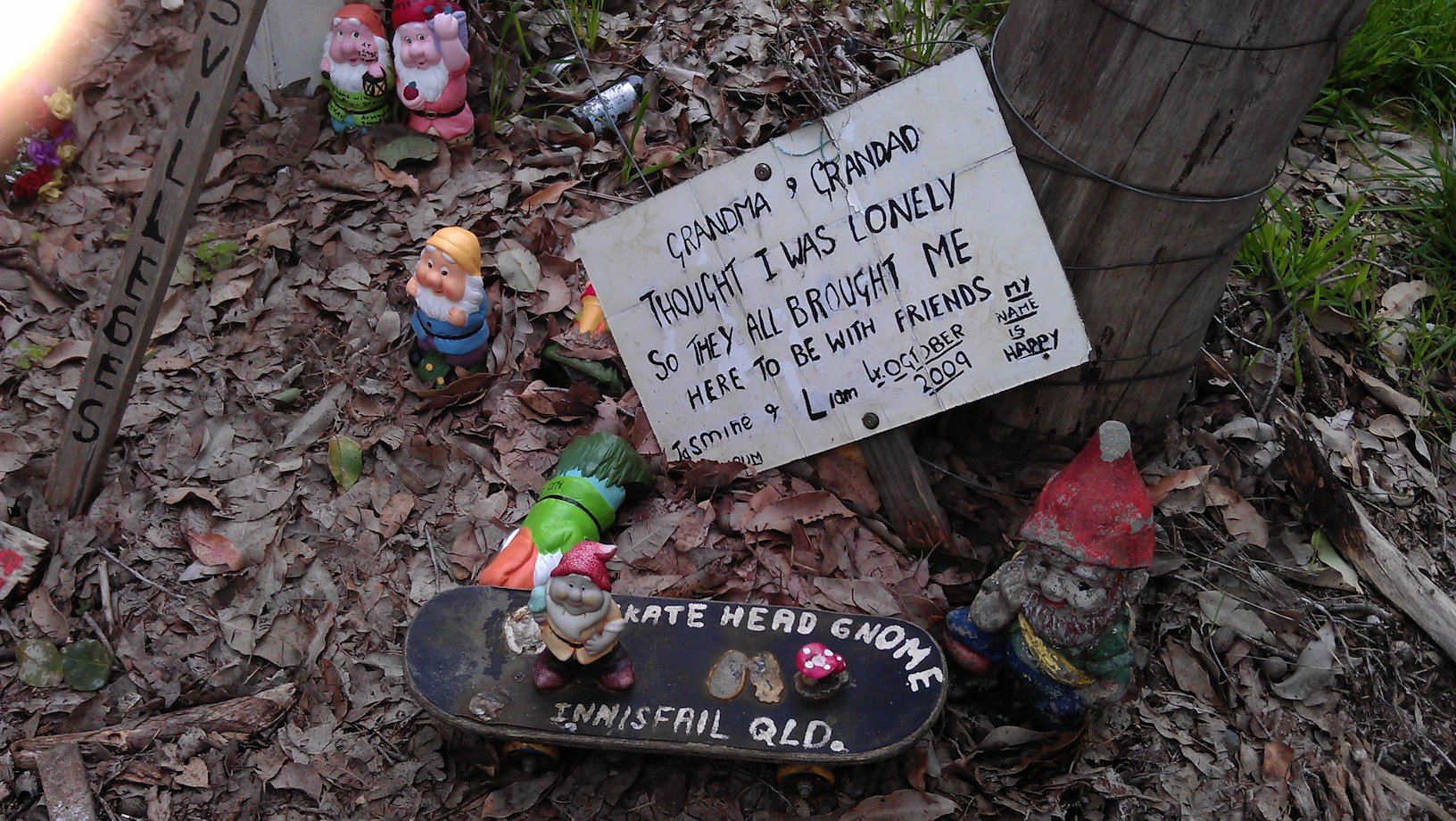
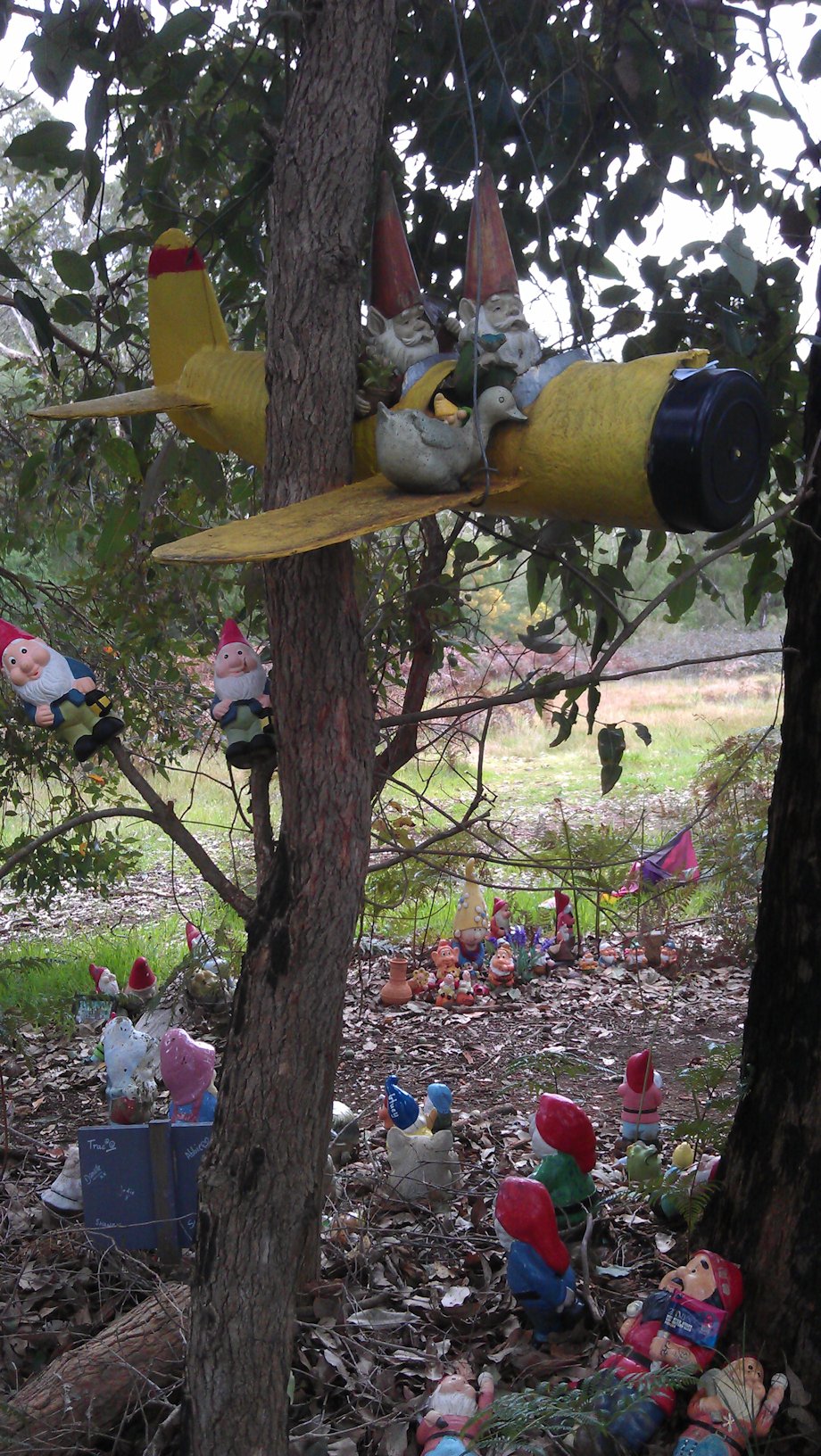
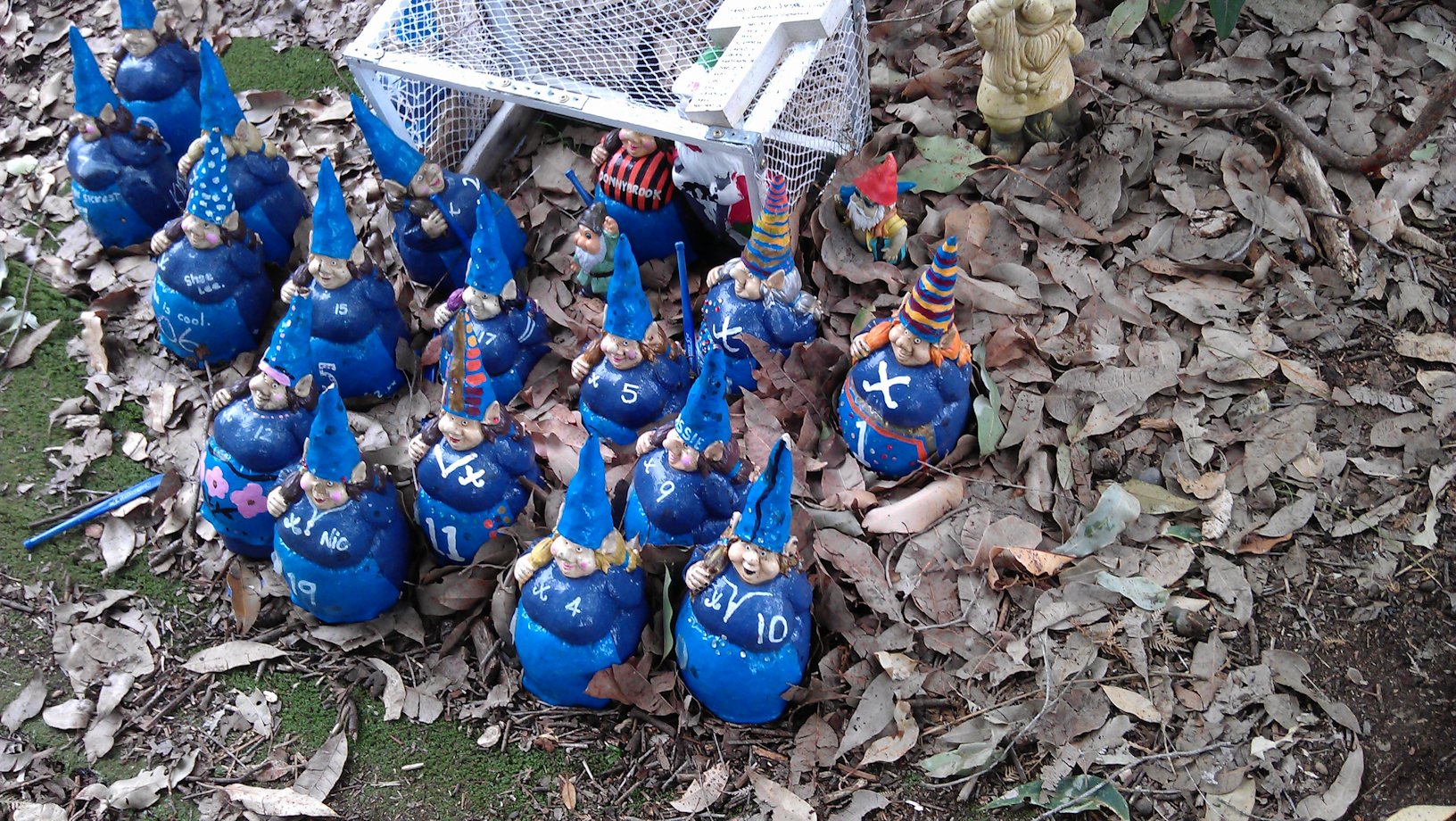
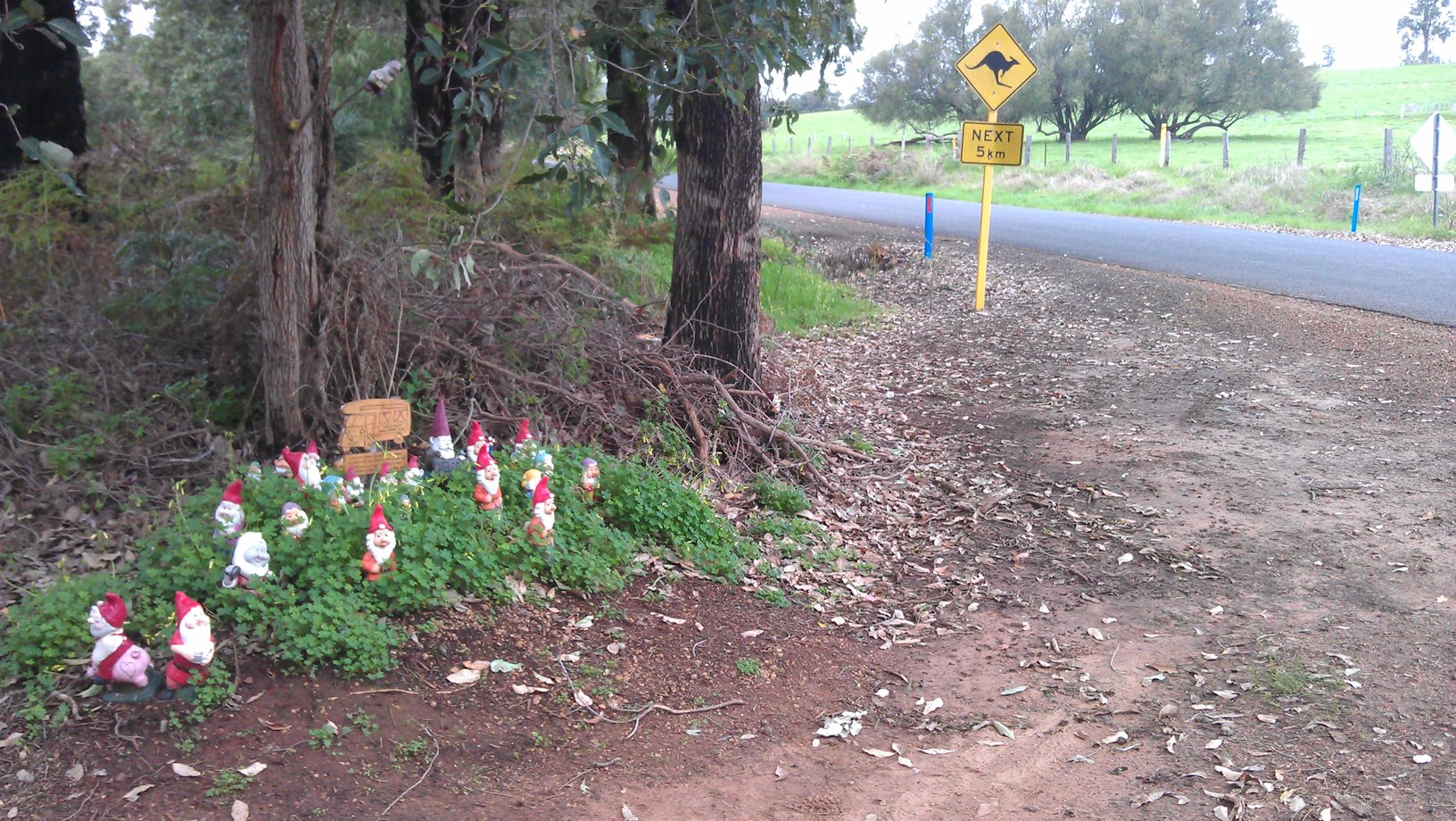
It’s several years since we visited Gnomesville (Ferguson Valley, Western Australia), but we were out and about in the valley on Saturday after voting in the federal election. After having lunch at a brewery, we continued driving along Ferguson Road to the end where the big roundabout is — and where Gnomesville is. And the first thing we noticed was the massive population explosion!

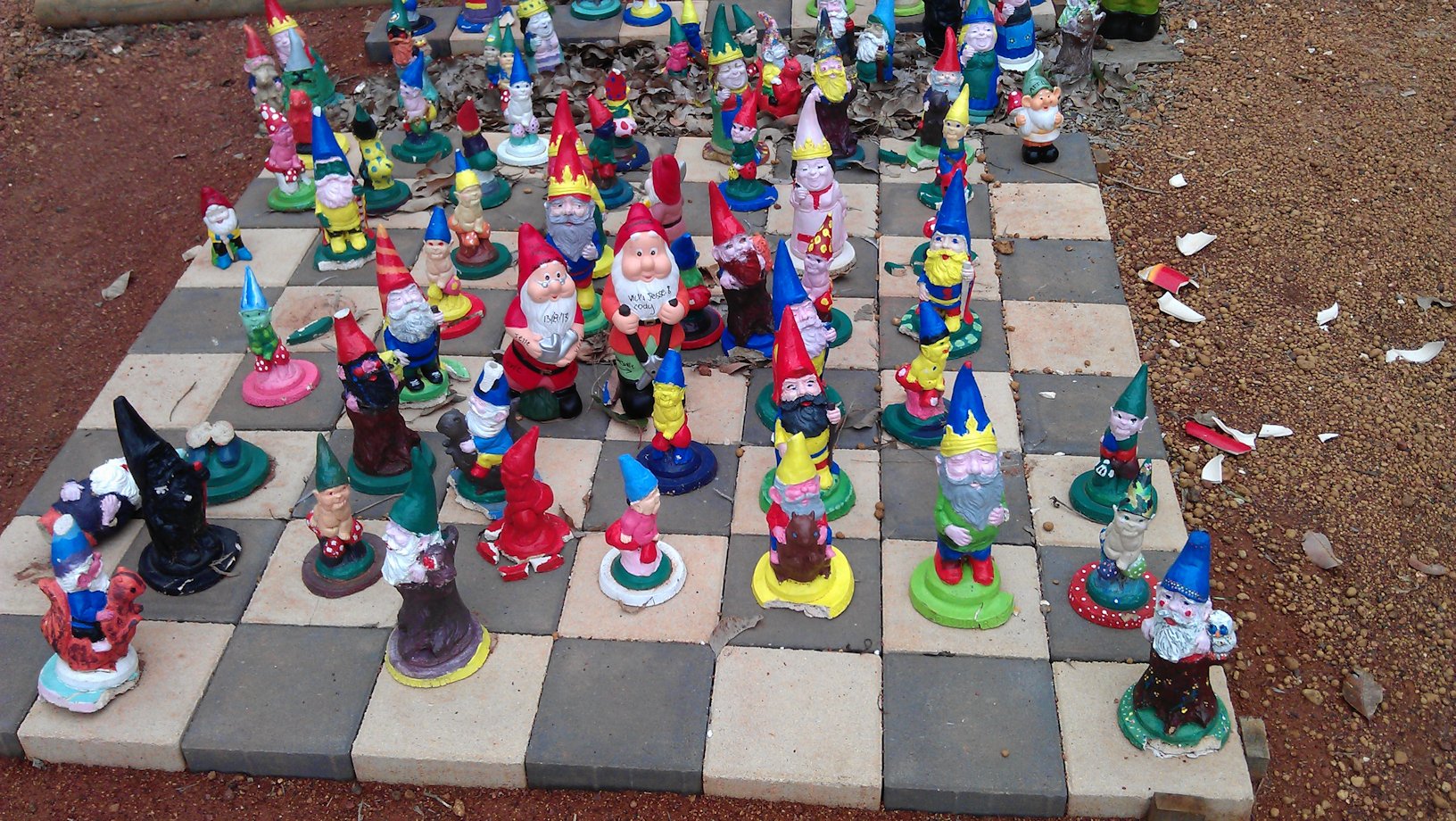
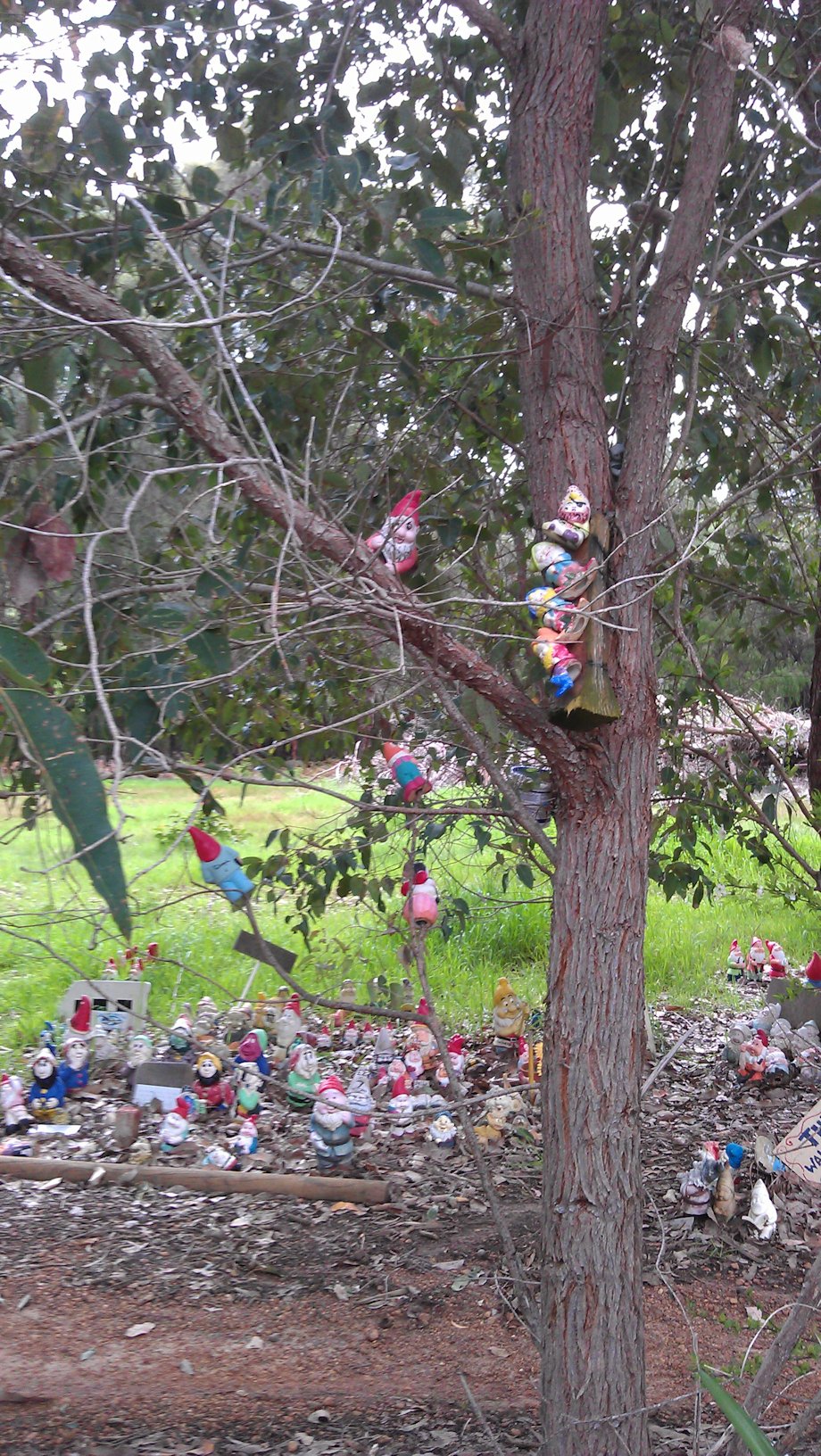
From several hundred gnomes (at a guess) the last time we visited, the population is now in the thousands and extends quite some way along the road verge, down into the creek, up trees, on top of logs, under logs, and there were even some ‘outer suburbs’ some distance from the main settlement. There was even a bird 😉

And while I was there taking photos, some classic cars turned up, including a GORGEOUS 1951? Buick!
IMAG1035

IMAG1036

IMAG1037

IMAG1038

IMAG1039

IMAG1040

IMAG1041

IMAG1042

IMAG1043

IMAG1044

IMAG1045

IMAG1046

IMAG1047

Living on top of and beneath logs


IMAG1048

IMAG1049

IMAG1050

IMAG1051

IMAG1052

Living in the outer suburbs


IMAG1053

IMAG1054


Thread tension on the Handi Quilter Sweet Sixteen

5 09 2013

On the Yahoo! Group for the HQ Sweet 16 (and now Babylock Tiara), Mary asked about tension and threads.

Here’s my response:

Threads are unlikely to be your problem (except at the very thick and thin ends of the thread spectrum). The main problem with tension is getting to know your machine. For the first few weeks, I got very frustrated with incorrect tension, and then it seemed to click.

threads

Many factors affect thread tension:

  • thread path to the needle – I use 1, 2, or 3 of the little holes after the thread mast or horizontal spool, depending on the thread
  • incorrect needle size – thick thread = larger needle; thin thread = smaller needle
  • tension knob – don’t be afraid to turn that baby several times when testing tension. The better the result, the smaller turns you need to make to get it perfect
  • possible lint/fluff caught in the top tension disks
  • incorrect thread path – did you ‘floss’ between the top tension disks or did you miss them and the thread is in the spring? Have you put the thread through ALL parts of the thread path?
  • thread caught on thread path – thread on the horizontal spool can come off and get caught on the spindle and wrap around it, causing tension to go wacky. I’ve now put one of those felt pads from my domestic sewing machine between the spindle and the spool to help prevent this
  • thread getting twisted — the three holes at the top are meant to prevent this, but some threads don’t go through all three holes, or just don’t behave. I use a thread net for those
  • not getting the bobbin tension right – Jamie Wallen’s excellent video on bobbin tension: http://www.youtube.com/watch?v=Q1mRhcquZTM You should not have your bobbin tension too tight

Keep a practice sandwich next to the machine to test the tension every time you change threads or bobbins – even if the bobbin was wound at the same time with the same thread and settings as the previous bobbin.

The only threads I’ve haven’t been able to use successfully (yet!) are 12 wt Egyptian cotton threads (my needle sizes only go up to 18, so I need to buy a bigger needle size for that thread) and 100 wt threads (my size 14 needle is probably too big for that and so I may need to buy smaller needles for that thread weight). I’ve used two 40 wt rayon threads going through the needle at the same time, and I believe you can use three threads (using the horizontal spool holder too) if your needle size is big enough.

Tension is a matter of time and patience. Threads are only one part of the story.

See also:


Community Quilt 106

1 09 2013

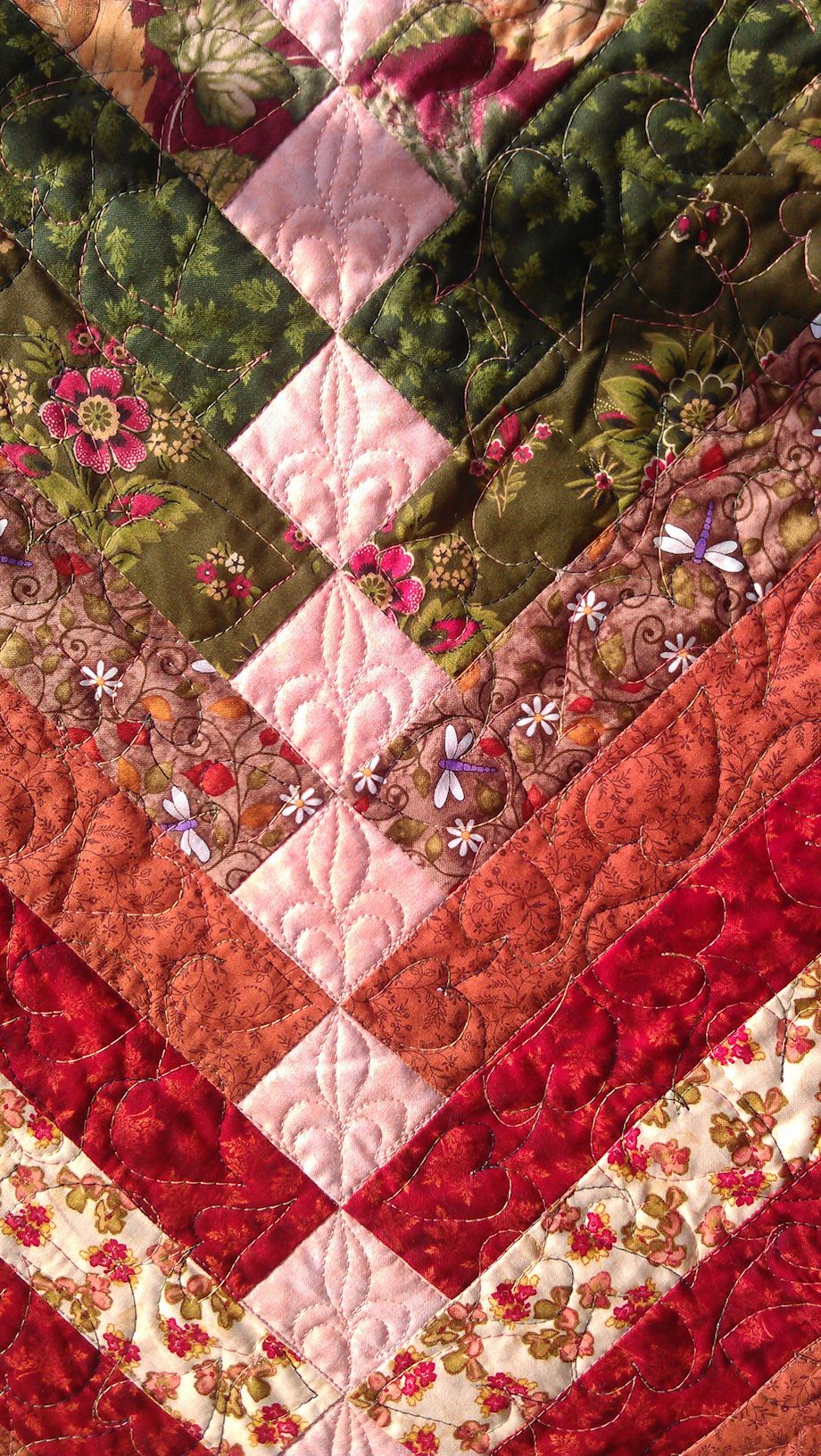
Ah! My first french braid quilt!

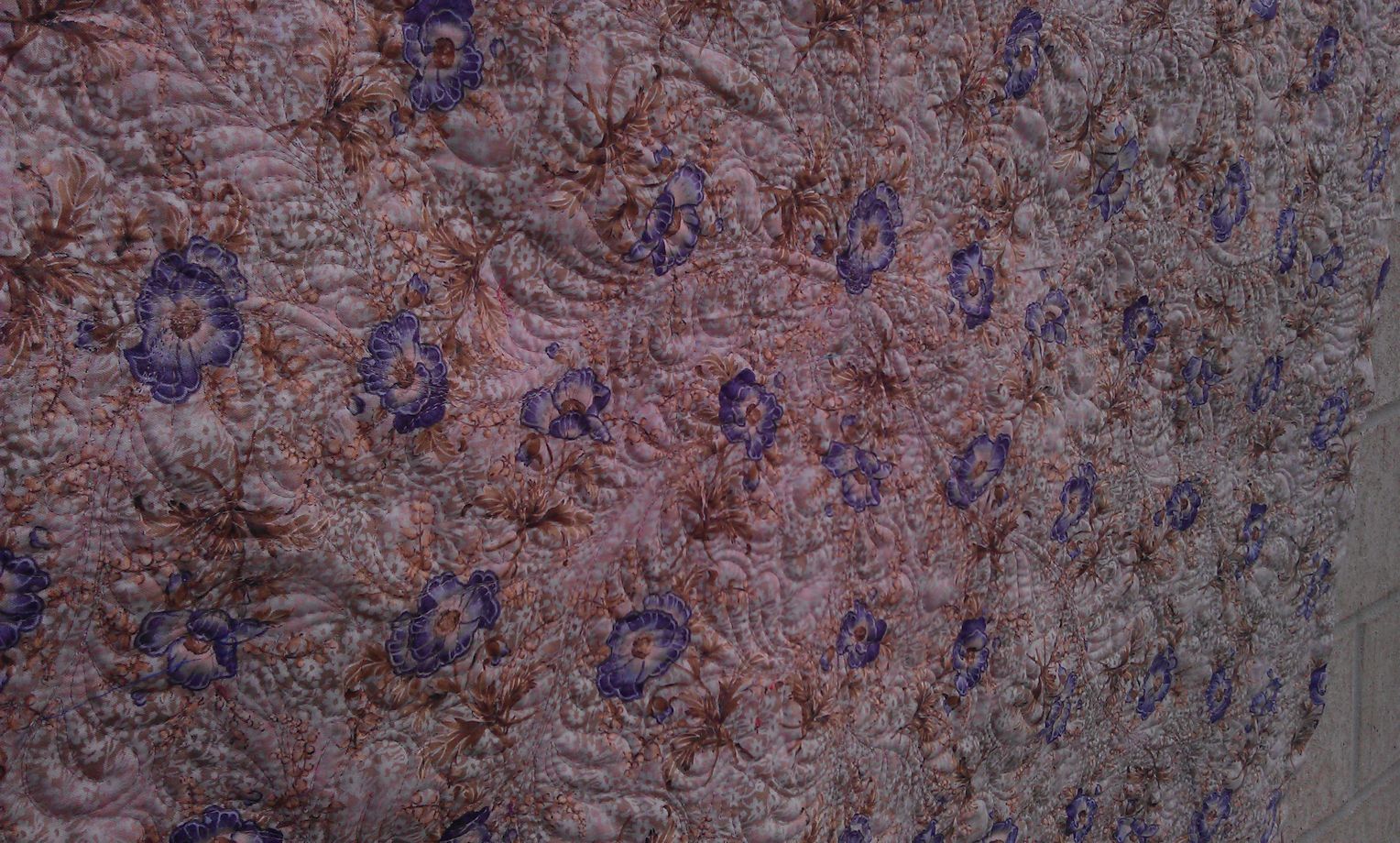
How to quilt it? Well, it needed to be stabilised first, so I stitched ESS… (every stinking seam!) in a beige/tan Rasant cotton. A few hours later, I was ready to look at what design I’d use. I was thinking straight line ‘modern’, but instead decided to try out a fleur-de-lis motif that I found the other day on the internet in the peach-coloured setting squares. I quite liked how they turned out and will likely use that motif again, perhaps in sashing or a narrow border.

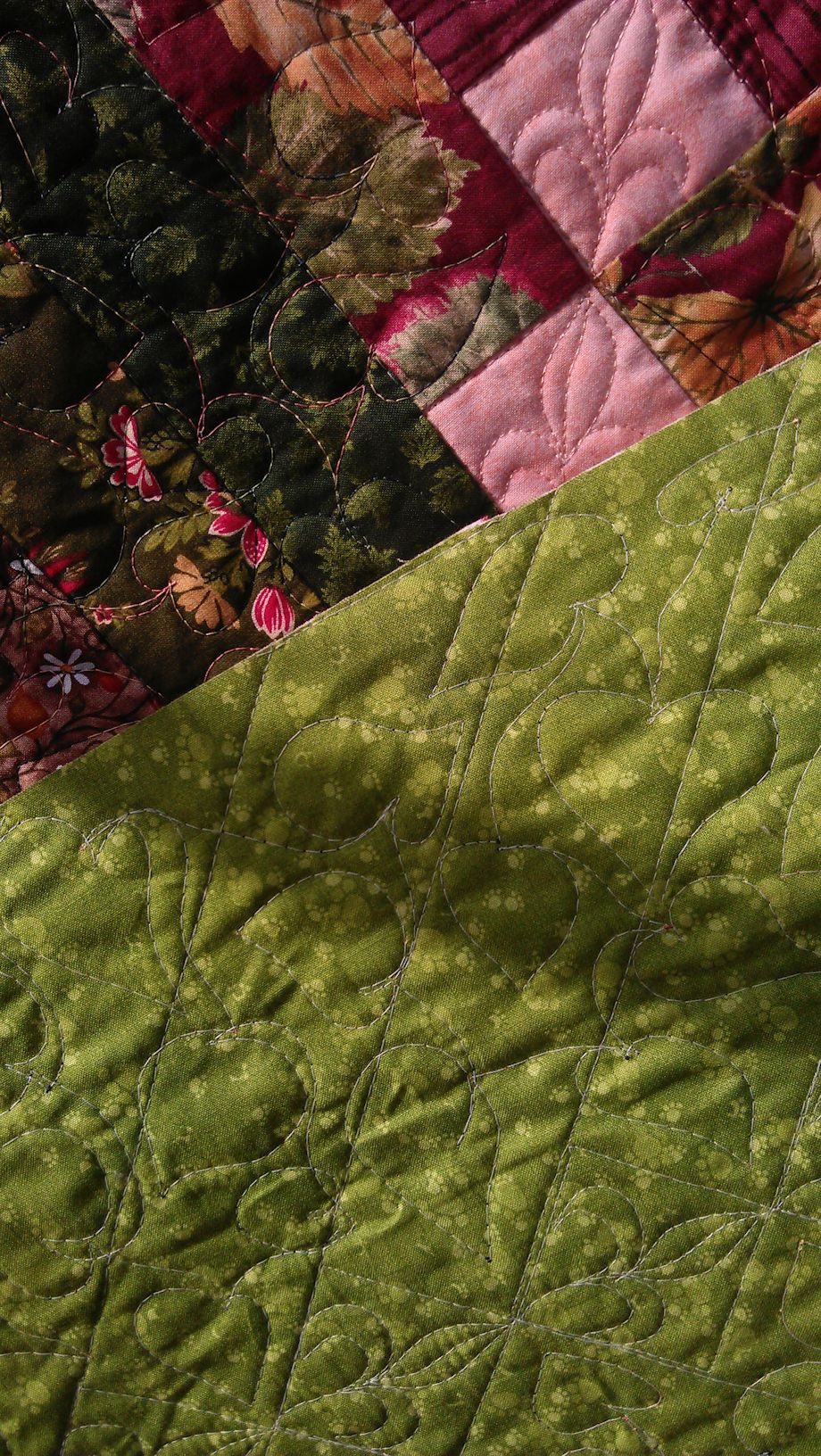
I was still struggling with how to quilt the main top. But after taking a very close look at the fabric — which was mostly leaves and some flowers — I decided on an all-over, continuous line leaf motif, using a variegated thread in green, pink, yellow and very dark green (I think!).

(Click on a photo to view it larger)

quilt106_01

quilt106_02

Back:

quilt106_03

Threads used:

  • Top: Fil-Tec Glide ‘Peach’ (40 wt, trilobal polyester; colour #50473); Superior King Tut ‘Old Giza’ (40 wt, variegated cotton, colour #941)
  • Bobbin: Bobbinfil (70wt, cotton, white)


Community Quilt 105

1 09 2013

This was a nice bright quilt, but the bias edges of some of the blocks meant that there was some ‘wonkiness’ and puffiness that wasn’t going to settle down with some serious stitching to beat it into submission 😉

How to quilt it? Well, I wanted to soften all those straight edges and disguise the wonkiness as far as possible, so I decided to stitch it in an all-over, continuous line spiral motif. That helped tame the wonkiness a bit, and created some circular puffiness that hid the puffiness of the blocks caused by the bias.

I didn’t quilt the small black borders; had they been bigger, I probably would have. I didn’t want to stitch them by extending the same design as the main quilt top as I thought the orange stitching would dull the bold effect of the black.

(Click on a photo to view it larger)

quilt105_01

quilt105_02


Back:

quilt105_03

Threads used:

  • Top: Robison-Anton (40 wt, rayon, orange)
  • Bobbin: Bobbinfil (70wt, cotton, white)


Community Quilt 104

1 09 2013

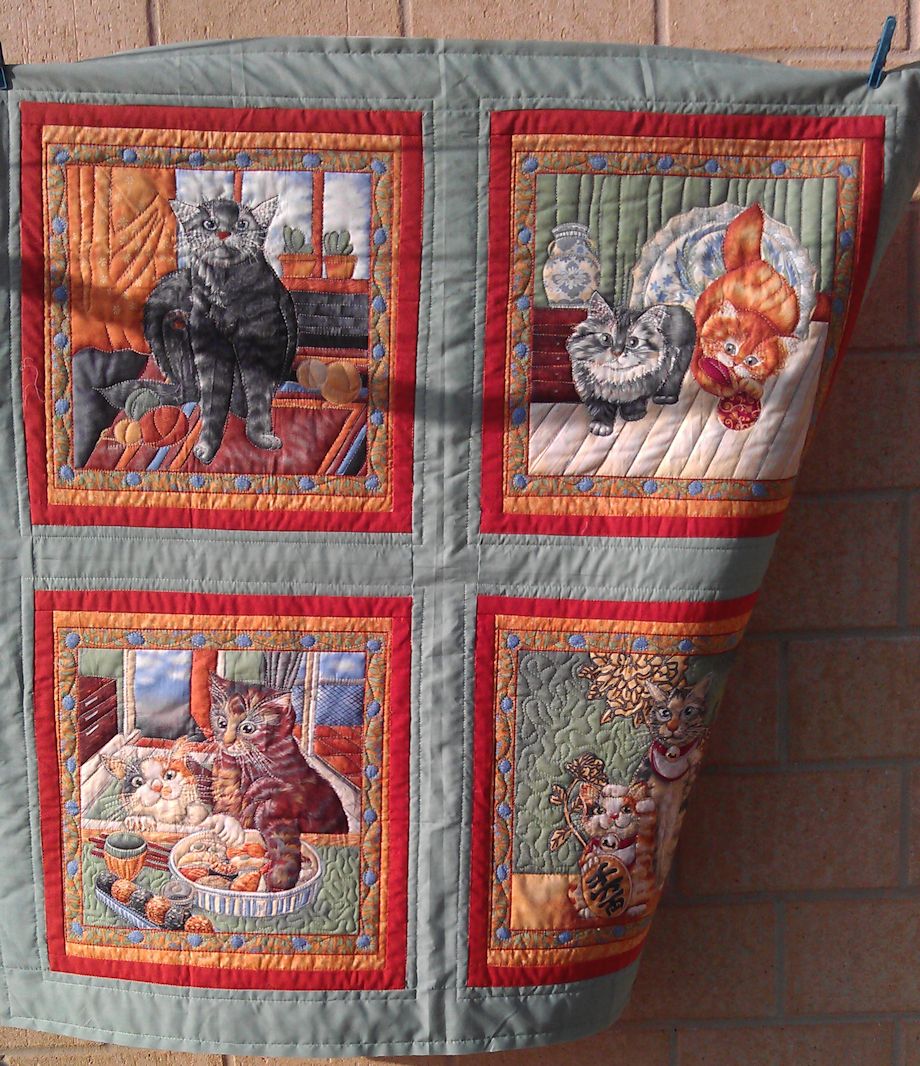
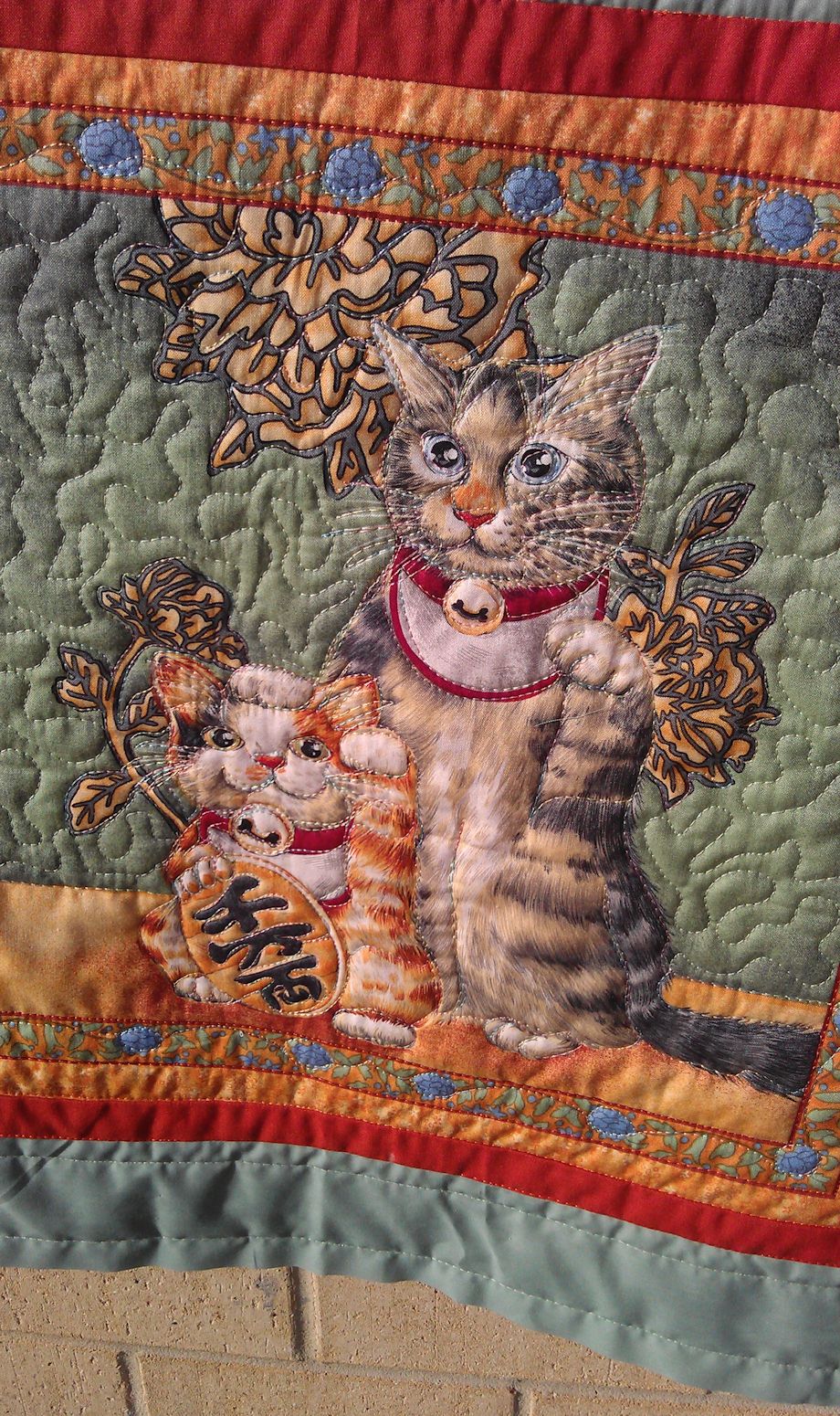
This small quilt was four cute kitten panels. My first task was to stabilise it, which I did by stitching around the borders (orange thread) and then around all the main elements in each panel (pastel variegated thread).

I decided not to quilt anything fancy in the borders as the cats needed to be the focal point, so I just did a straight line outline in a soft green thread.

Click on a photo to view it larger)

quilt104_01

quilt104_03

quilt104_02

Threads used:

  • Top: Robison-Anton (40 wt, rayon, orange); Superior Rainbows ‘Opal’ (40 wt, trilobal polyester, colour #808); Fil-Tec Glide ‘Sea Foam’ (40 wt, trilobal polyester, colour #97494)
  • Bobbin: Bobbinfil (70wt, cotton, white)


Solar panels are up!

30 08 2013

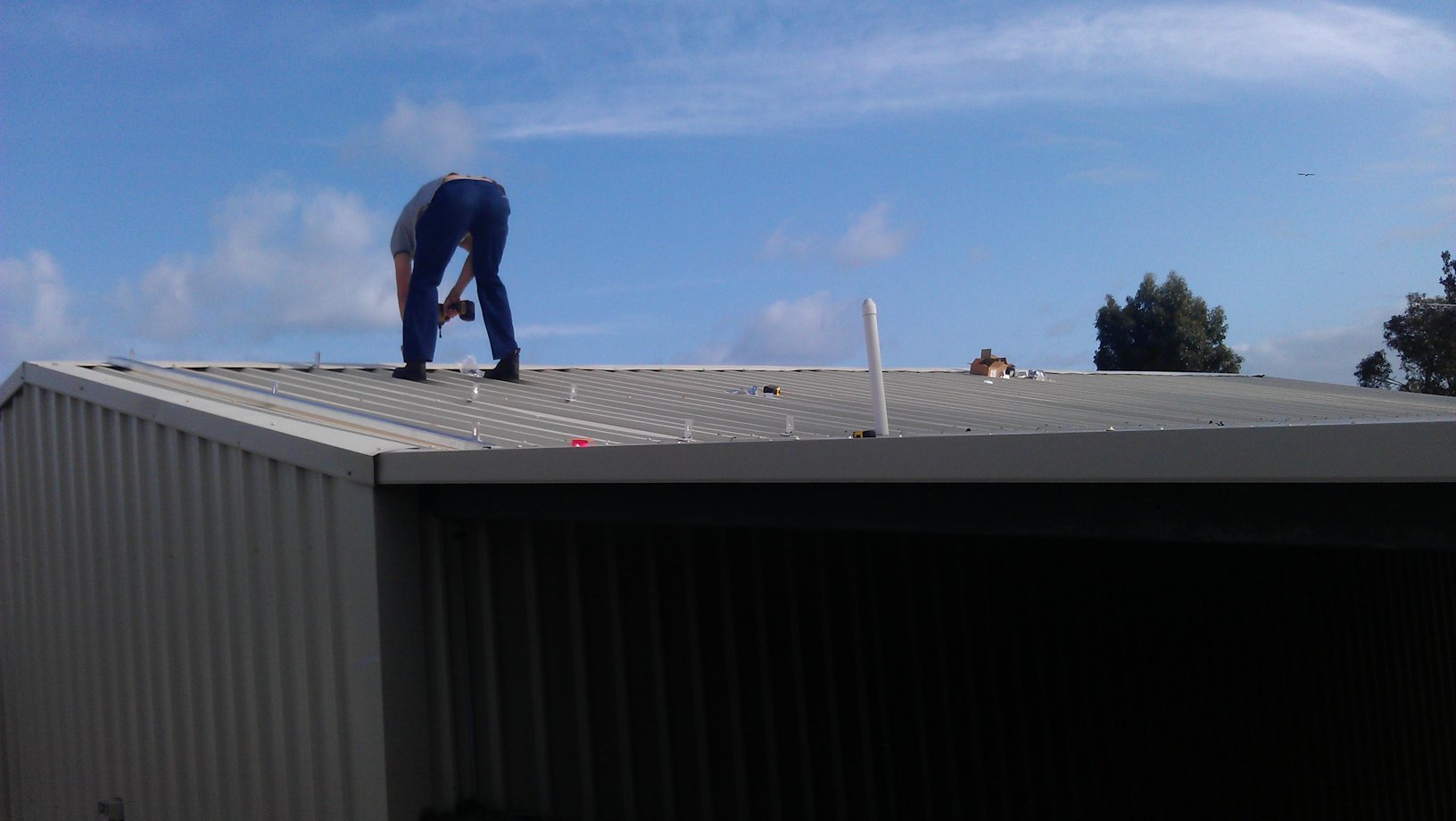
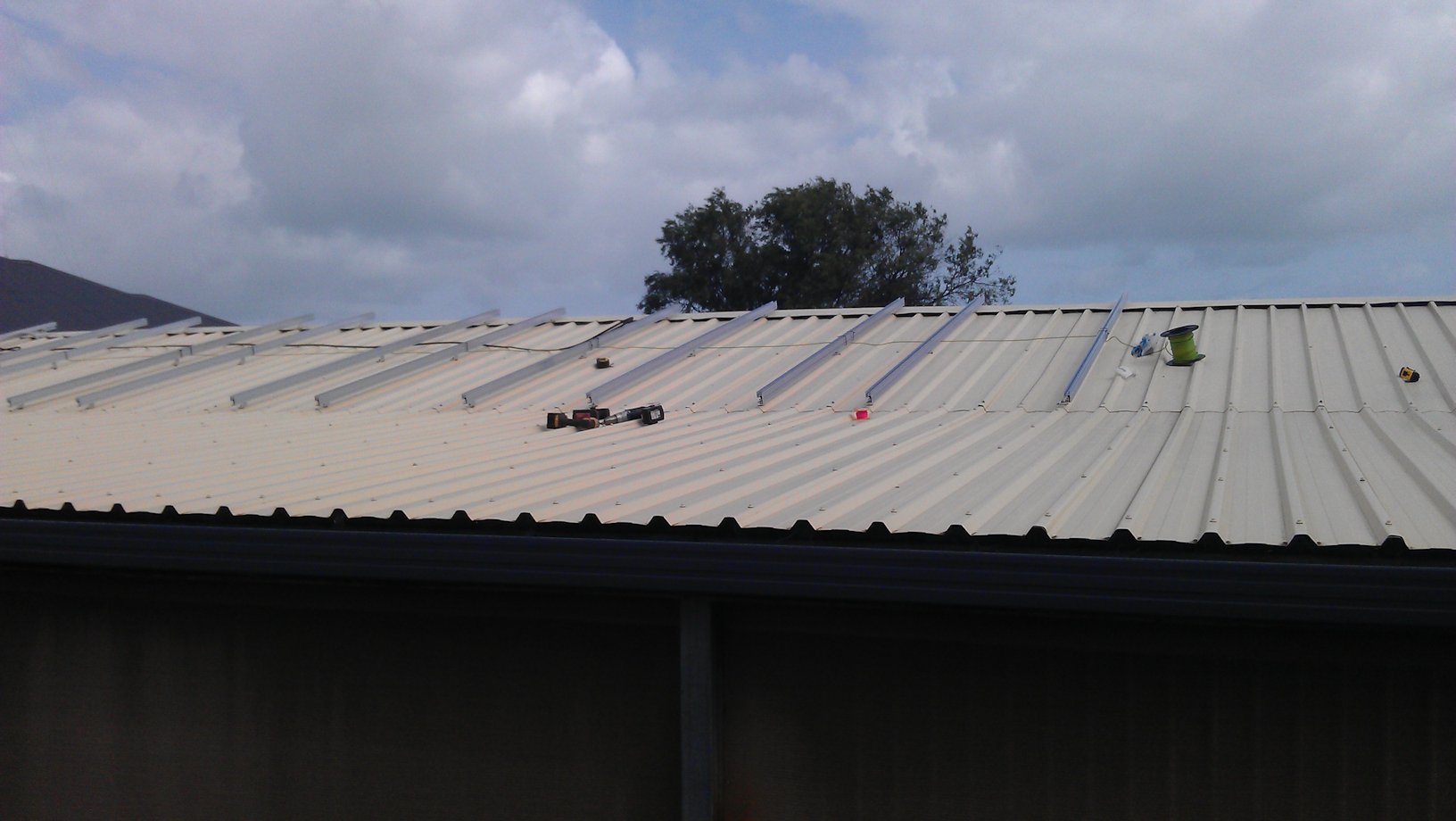
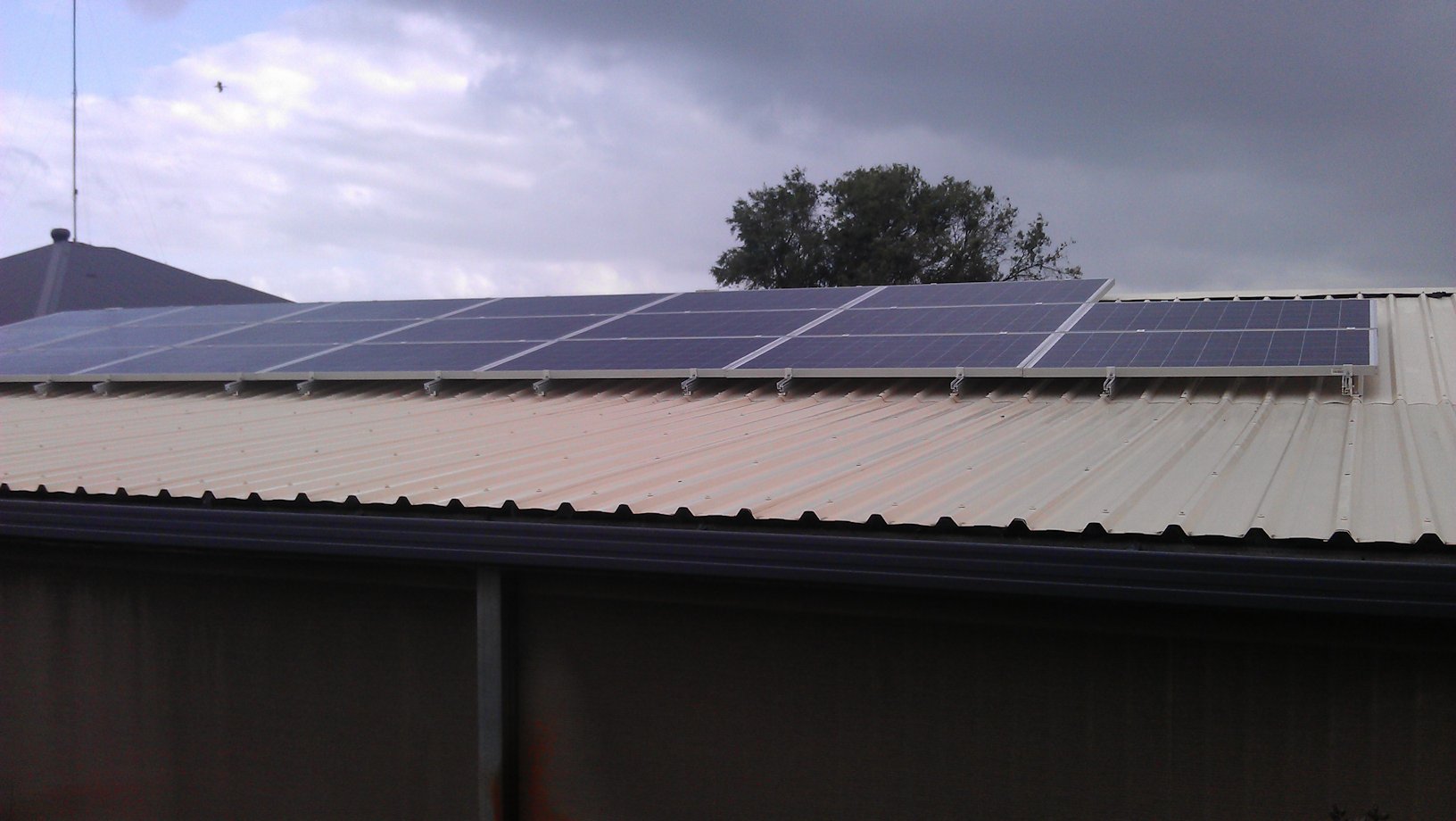
It took two months from signing the contract to getting our solar panels installed. A lot of stuff happened in between, so it’s not like anyone was slacking off in that time (that’s what you get for government [federal and state] intervention and approvals…). I took some progress photos today as the three guys did the installation. I didn’t think the installation would happen as the weather forecast for today was for storms, heavy rain, and strong — even gale force — winds.

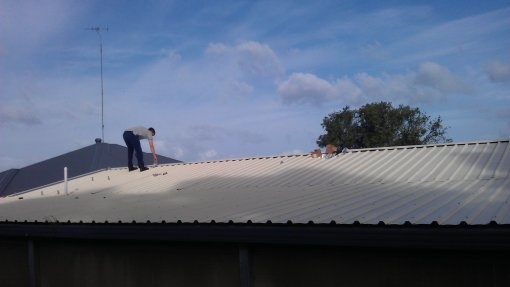
But the guys turned up on time at 8 am (that got them 10 big gold stars from me, right there!) and got straight into the job. They were all done and about to drive out around 2:30 pm just as the storm hit, so they were able to work on the metal roof without having to deal with the slipperiness that rain would have caused. But they did have to deal with the wind, which fortunately was coming from the opposite direction to the side of the shed they were working on.

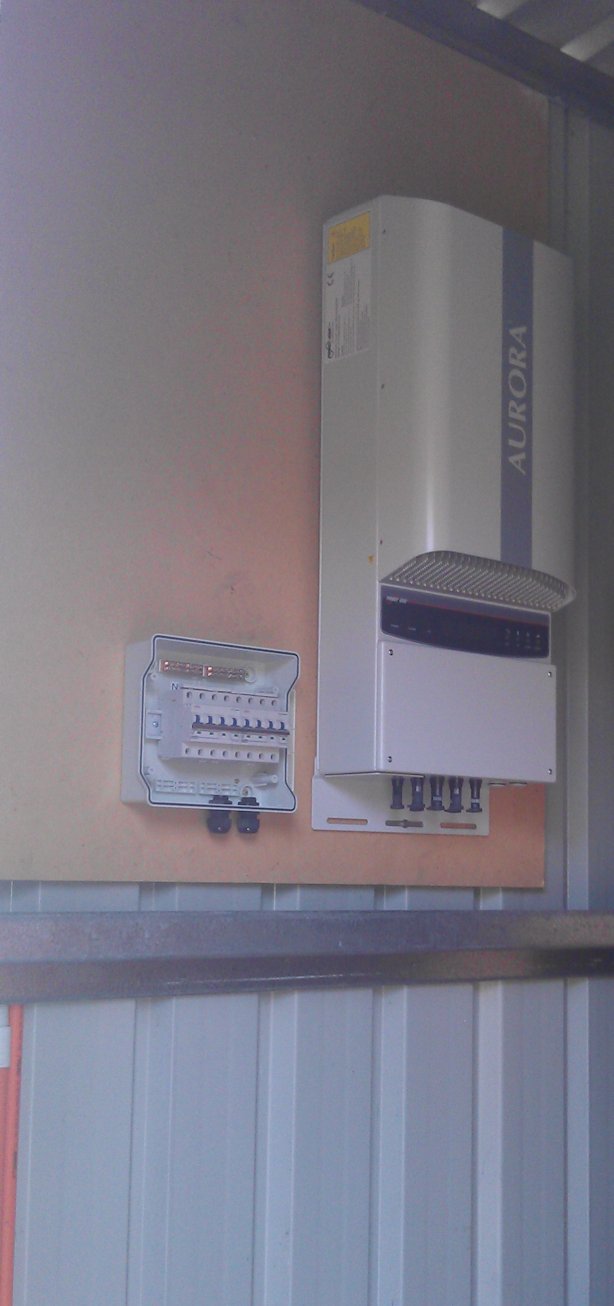
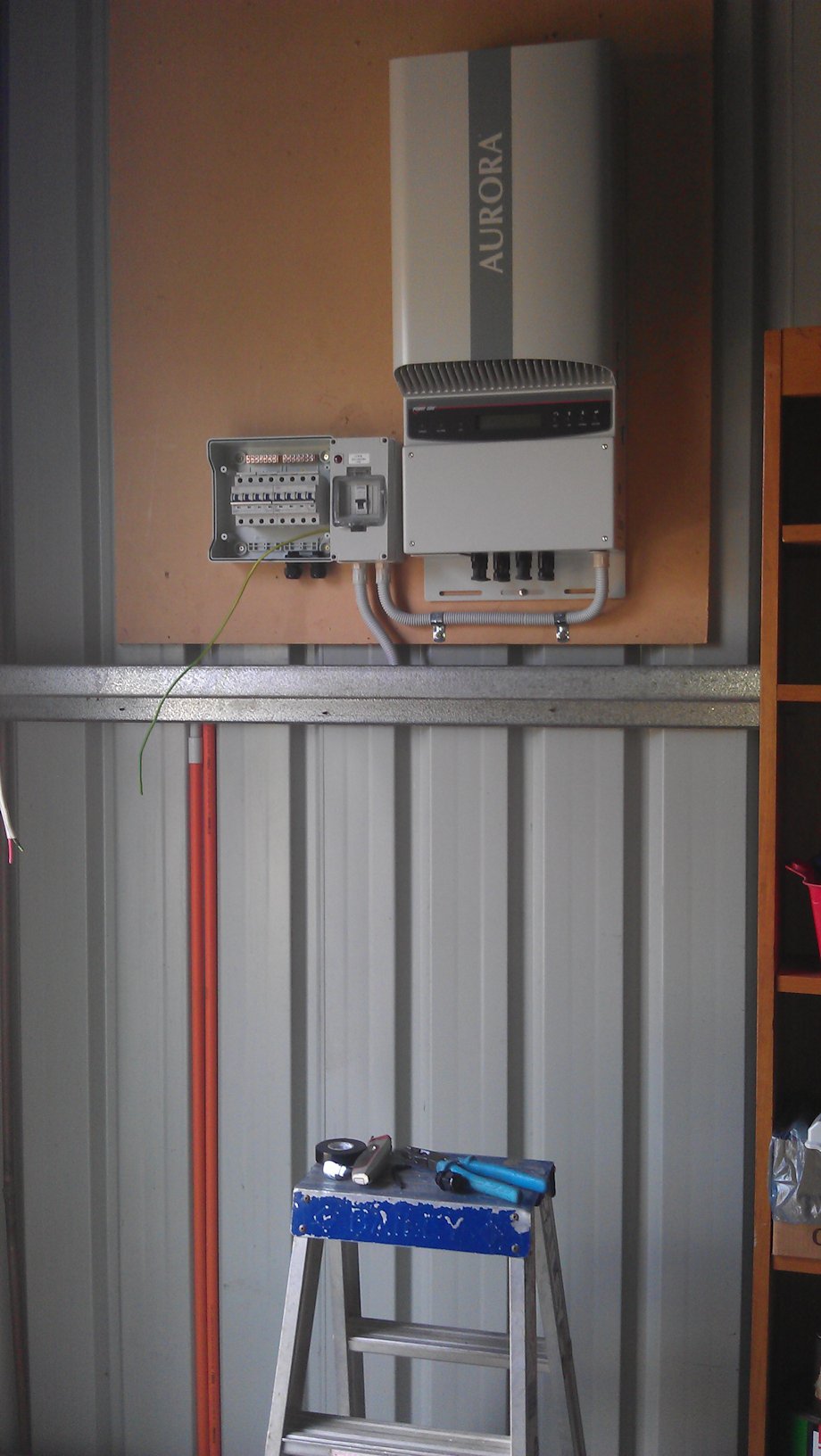
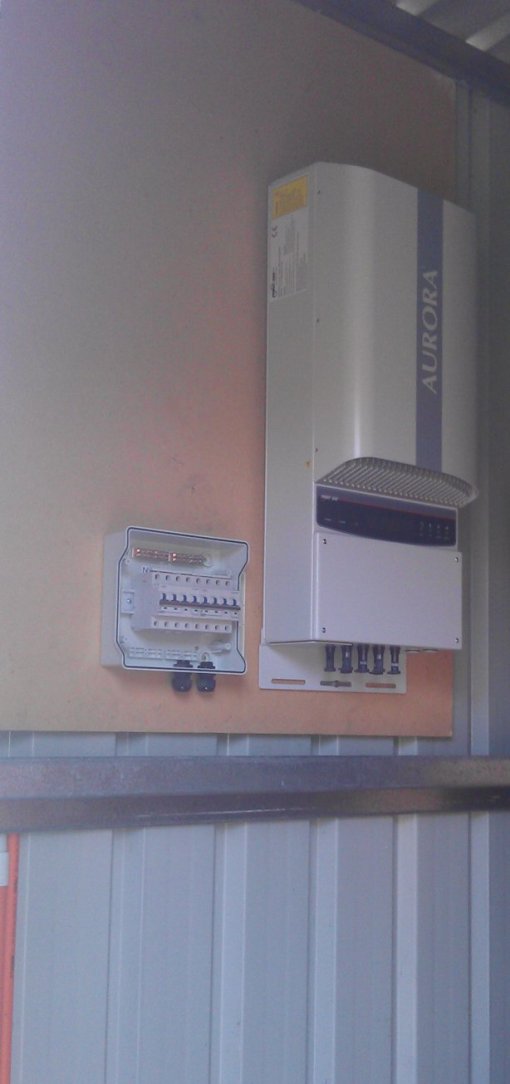
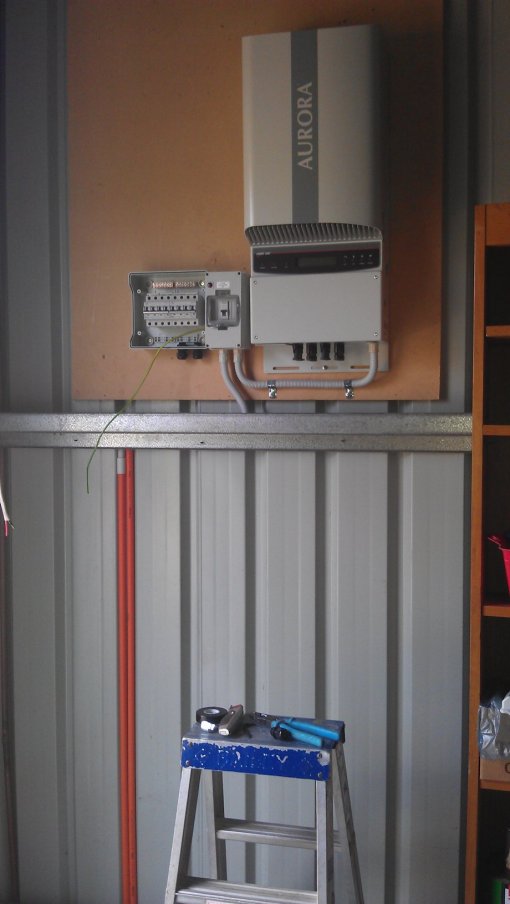
We have a BIG shed (about 6 m x 12 m), and there’s lots of room inside for things like the inverter. There’s also an electrical sub-board there too, so it was easy peasy for them to install the 20 panels on the shed. They installed them in landscape mode, not portrait like most installations, as the roof space on top of the shed meant they could get the 20 panels installed evenly and neatly that way.

Oh, and they earned another 10 gold stars for cleaning up after themselves (roof, driveway, inside the shed… though they lost a couple for not cleaning up after themselves in the shed’s toilet…), and some more gold stars for being friendly and polite and explaining everything I asked about (and anyone who knows me knows that I would have asked LOTS of questions!). And another set of gold stars for removing an old (unused) TV antenna from the shed that they said would cast a shadow on one panel in summer, reducing its efficiency — so even though removing that antenna wasn’t part of their brief, they did it for me at no extra charge. One final set of gold stars was for them not having to turn the power to the house off at ANY stage of the installation. The only power outage we had during this whole process was for about 10 to 15 minutes some weeks ago when Western Power swapped out the main electricity meter.

Even in the short time between the system being turned on this afternoon and the storm hitting, we were producing more electricity than we were using — and that was on quite an overcast day. Of course, the proof will be in the next couple of electricity bills, which should be substantially less than the current $250 to $300 per month that they are now.

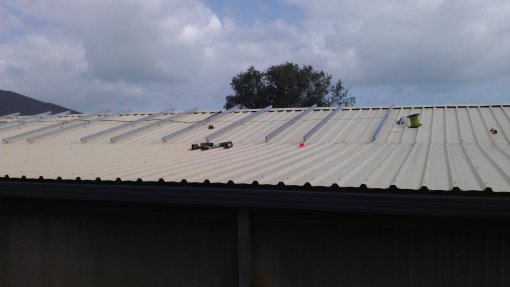
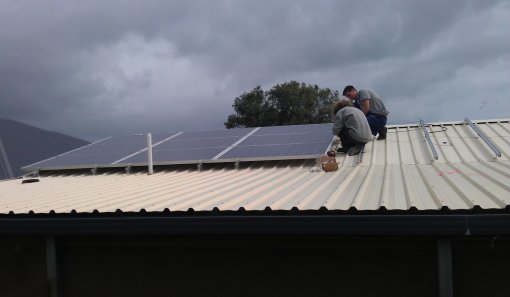
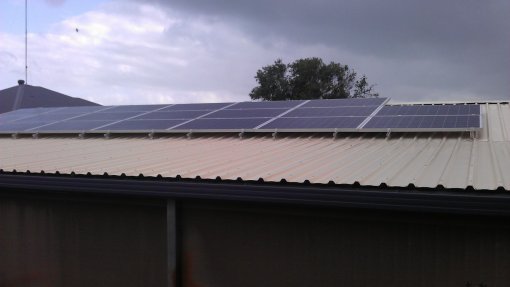
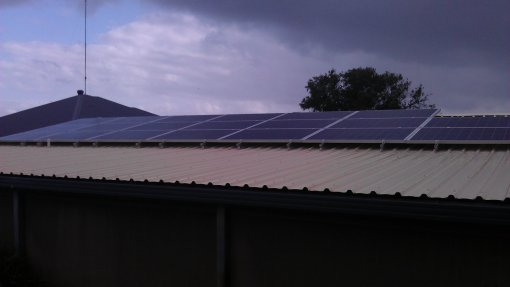
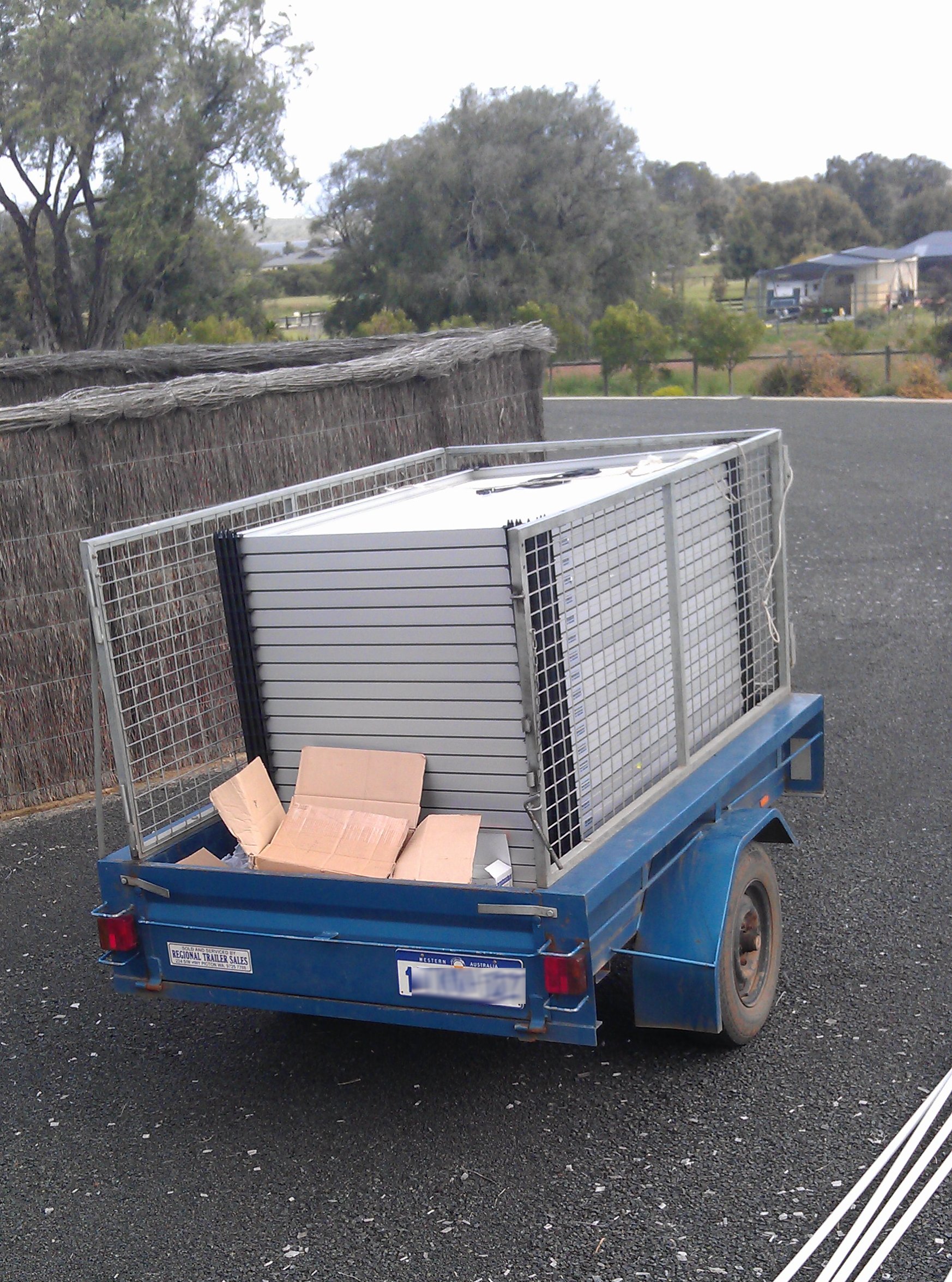
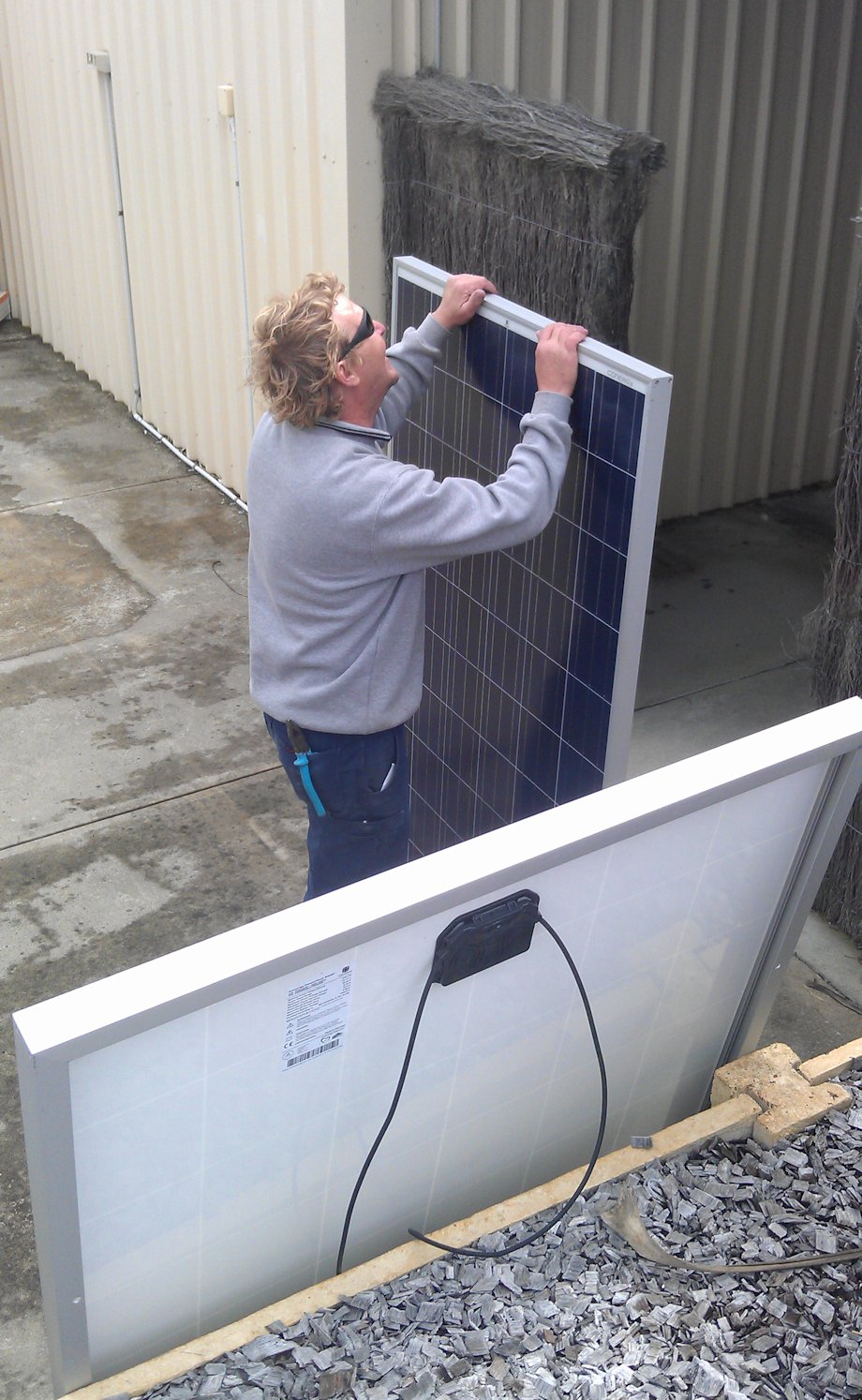
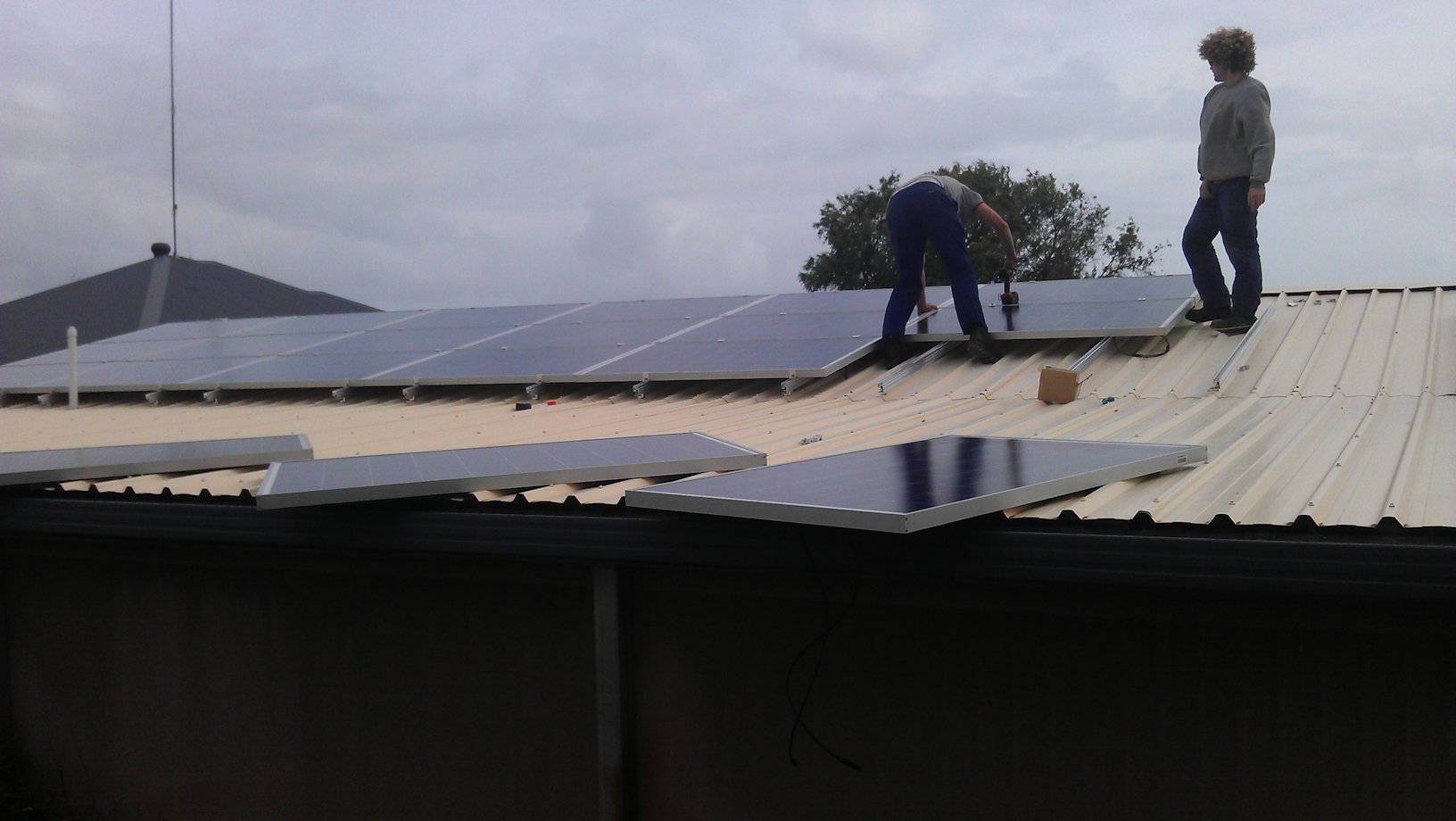
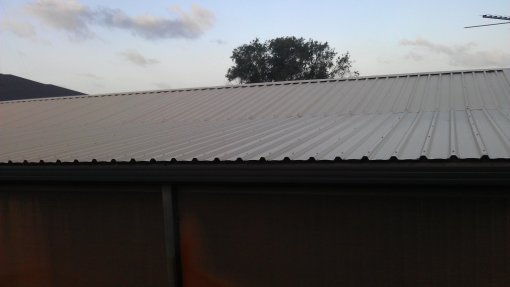
Here are progress photos of the shed before installation, during installation, and when it was all done:
IMAG1004

Eastern side of the shed first thing this morning; the main shed roof is the one at the greater angle — the lower sloped roof in front is the roof of the boat/caravan/car bay at the side of the shed
IMAG1005

First of the rail holders getting installed. The weather was good then — just windy.

IMAG1006

No tradie bum crack! Extra gold stars for that! Note the height of the vent pipe…
IMAG1007

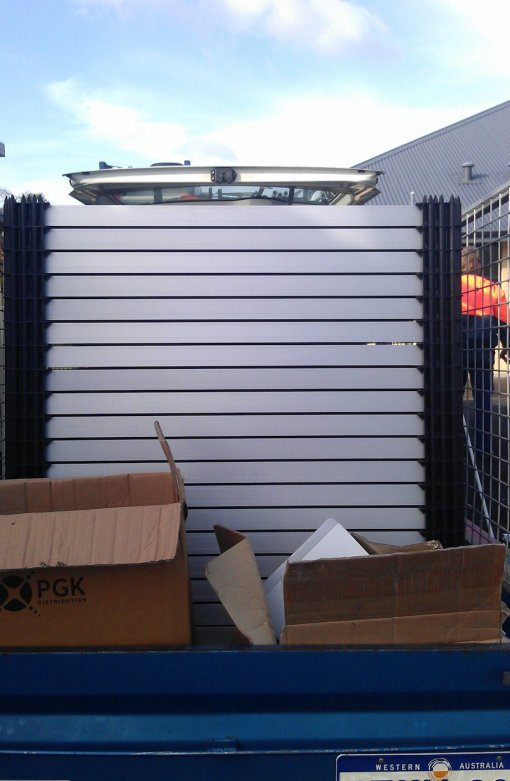
German-made Conergy (division of Bosch) solar panels all stacked and ready for us
IMAG1008

Initial stage of the inverter installation. First they had to install the board it was mounted on…

IMAG1010

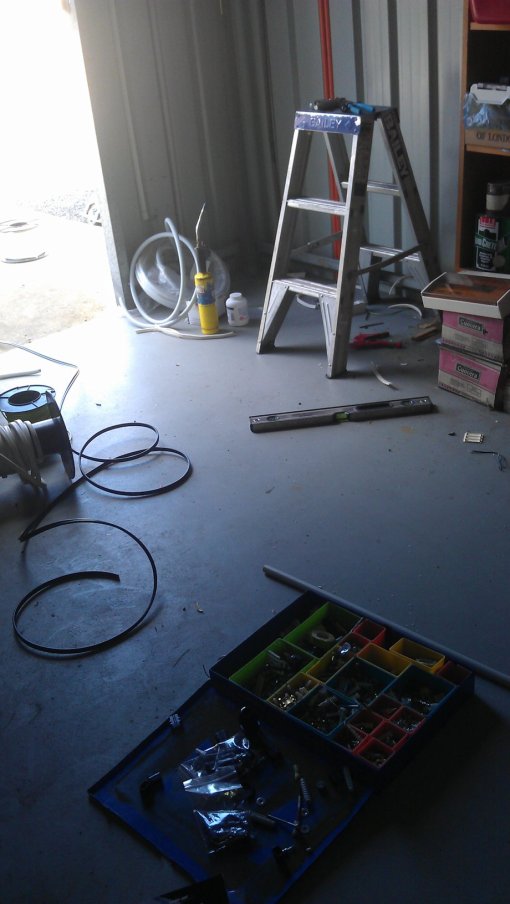
Now the rails. I like how they used fluoro coloured string for getting their lines straight – much easier to see than normal white or tan string
IMAG1011

Progress inside the shed for the inverter installation
IMAG1012

IMAG1013

IMAG1014

IMAG1015

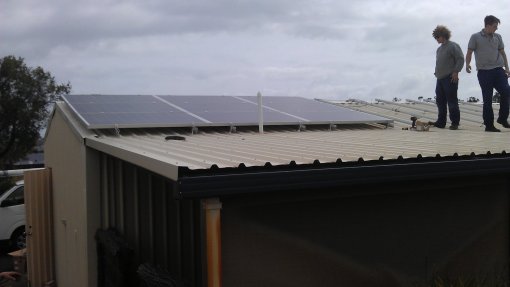
The first nine panels are almost done. Note the threatening sky…
IMAG1016

Nine down, eleven to go… Can they get it done before the rain hits?
IMAG1017

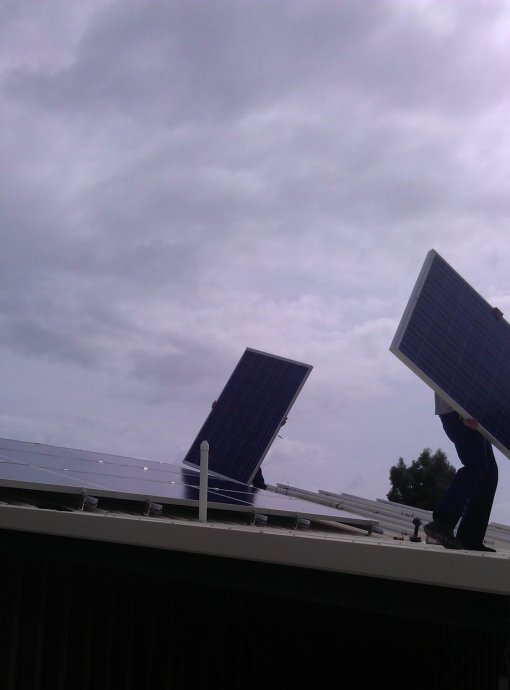
In this wind, solar panels are like sails…
IMAG1018

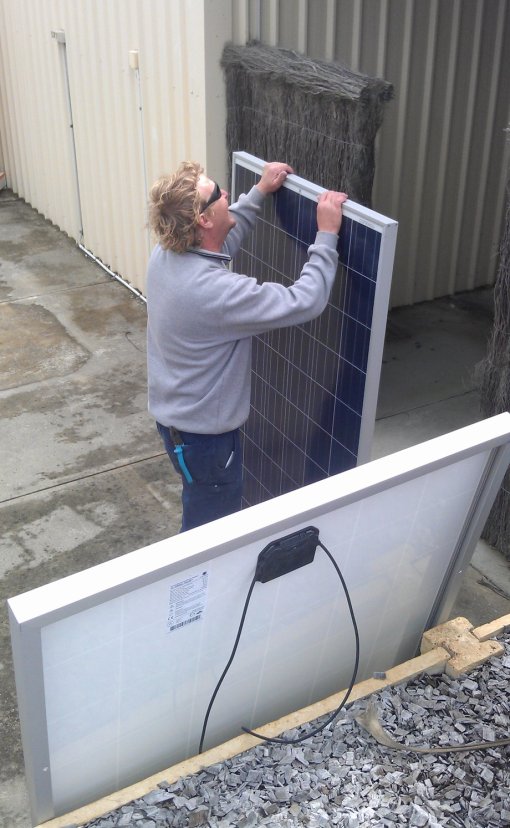
The boss passing up the panels to the young bucks on the roof. He did all the work inside and kept out of the weather 😉

IMAG1019

17 down, 3 to go…

IMAG1020

All done!

IMAG1021

And here comes the rain… Note the height of that vent pipe now — they cut it down so that it won’t cast a shadow on the panels thus reducing efficiency a tad (more gold stars)

Update (next day): Even with the gloomy, very overcast and stormy weather today, we’re currently producing twice what we’re using. Part of the deal was a ‘tracker’ than lets us know in real-time exactly how much electricity we’re using in the house at any moment, so I know what we’re using and can see on the inverter panel what we’re producing. For example: Usage = 1.4; production = 3.2. Of course, as the days get longer, less cloudy, and there’s more UV radiation, I expect that the production rate will go up even more.

Update 9 September 2013: So far our system has averaged 21 kWh per day, even though it’s only producing a maximum of about 3.4 (of 5) at the highest point in the day (that’s expected to increase to 5 or more in the next couple of months as the sun’s angle changes and the number of hours of daylight increases). I called the providers of the system and the chap on the phone answered heaps of my questions:

  • Yes, the solar system powers our house while it is producing power; any excess that we don’t use is sent to the grid. At night and when the output is low (overcast, low light), of course, we’re taking from the grid.
  • It’s far better for us to use power during the day when it’s effectively ‘free’ than at night. So, doing laundry, cooking etc. are all better done during the day. And in summer or the depths of winter, it will be better to turn on the air conditioning in the morning to cool/heat the house for ‘free’ and thus not expend as much energy getting hot house cool (or vice versa) later in the day. Working from home helps too, as our computer use will mostly be in daylight hours (though I have a server that’s on 24/7, so only some of its power usage will be ‘free’).
  • Over 12 months, a 5 kW system like ours should average 20 kWh (20 Western Power units) — some months will be much more, some much less, but on average 20 kWh per day is expected to be the average. Based on our pre-solar usage of around 31 to 34 units per day, that means that effectively about 2/3 of our daily power will be produced by the system. We may not use all those 20 units per day, of course, so there will still be a bill, which I was expecting — I knew the 5 kW system would not cover ALL our usage.
  • He also confirmed that hot days don’t equal best production. In fact, on very hot days the system is less efficient than on days around 25C. The system uses UV light, not heat to generate power.
  • Our optimum production time in summer is likely to be around 10 am as our system faces east and is at a low angle. So he encouraged us to do as many powered activities as possible in the mornings, if we could.
  • And no, we shouldn’t feel guilty any more about turning on the air con in summer or winter! That’s not to say we should waste power, but more that we should take advantage of the optimum times to use power so that we use as much as possible that’s ‘free’.

Update 31 August 2015: Two years on…

  • Total kWh produced since installation = 14,884, which averages out at 20.36 kWh per day throughout the year — rain, hail, or shine. Right on track with expectations.

Update 30 August 2016: Three years on…

  • Total kWh produced for the past 12 months = 7,359, averaging out at 20.1 kWh per day for the past 12 months. Again, on track with the expected average output. And this year, we’ve had quite a wet, cloudy winter — much more so than the past two years, so that may be why the average is down just a tad.
  • Total kWh produced since installation = 22,243, averaging out at 20.29 kWh per day since installation.

Update 30 August 2017: Four years on…

  • Total kWh produced for the past 12 months = 7,542, averaging out at 20.66 kWh per day for the past 12 months. Again, on track with the expected average output.
  • Total kWh produced = 29,785, averaging out at 20.38 kWh per day since installation.

Update 30 August 2018: Five years on…

  • Total kWh produced for the past 12 months = 5,748, averaging out at 15.74 kWh per day for the past 12 months. In addition to a wet and quite cloudy winter and a very mild summer, one of the isolators was faulty for up to 8 months, not the couple of months I’d thought. When I checked the electricity bills, the number of renewable units fed back into the grid dropped dramatically around January 2018, which indicated that the system wasn’t producing as expected.
  • Total kWh produced since installation = 35,533, averaging out at 19.45 kWh per day since installation, so just a tad under the expected 20 kWh, despite the fairly big drop this year. This should go back to average next year, because the faulty isolator has been replaced and the output from both arrays is now similar.

Update 30 August 2019: Six years on…

  • Total kWh produced for the past 12 months = 7,383, averaging out at 20.22 kWh per day for the past 12 months. Again, on track with the expected average output.
  • Total kWh produced = 42,916, averaging out at 19.58 kWh per day since installation.

Update 30 August 2020: Seven years on…

  • Total kWh produced for the past 12 months = 7,437, averaging out at 20.32 kWh per day for the past 12 months. Again, on track with the expected average output.
  • Total kWh produced = 50,353, averaging out at 19.69 kWh per day since installation.

Update 30 August 2021: Eight years on…

  • Total kWh produced for the past 12 months = 7,327, averaging out at 20.07 kWh per day for the past 12 months. Again, on track with the expected average output.
  • Total kWh produced = 57,680, averaging out at 19.74 kWh per day since installation.

Update 30 August 2022: Nine years on…

  • Total kWh produced for the past 12 months = 7,320, averaging out at 20.05 kWh per day for the past 12 months. Again, on track with the expected average output.
  • Total kWh produced = 65,000 averaging out at 19.77 kWh per day since installation.

Update 30 August 2023: 10 years on…

  • Total kWh produced for the past 12 months = 7,405, averaging out at 20.2877 kWh per day for the past 12 months. Again, on track with the expected average output.
  • Total kWh produced = 72,405, averaging out at 19.8261 kWh per day since installation.

Update 30 August 2024: 11 years on…

  • Total kWh produced for the past 12 months = 7,371, averaging out at 20.1393 kWh per day for the past 12 months. Again, on track with the expected average output.
  • Total kWh produced = 79,776, averaging out at 19.8547 kWh per day since installation.

Update 30 August 2025: 12 years on…

  • Total kWh produced for the past 12 months = 7,429, averaging out at 20.3534 kWh per day for the past 12 months. Again, on track with the expected average output. Very wet winter—wettest for nearly 30 years.
  • Total kWh produced = 87,205, averaging out at 19.8962 kWh per day since installation.


Lemons to lemonade

25 08 2013

I bought a Sony Xperia tablet a few weeks ago, but as it’s so new, there aren’t many (any!) covers for it in Australian stores yet (and the Sony brand cover is really expensive). So I found something on Amazon, but Amazon wouldn’t send it to me as I live in Australia and they class these types of accessories as ‘electronic’ goods. What the…? Off to eBay where I found the same stuff from the same supplier as on Amazon and ordered it just fine. But based on my recent experiences with getting stuff from the US, I doubt the cover will be here by the time I go to Bali next month. What to do?

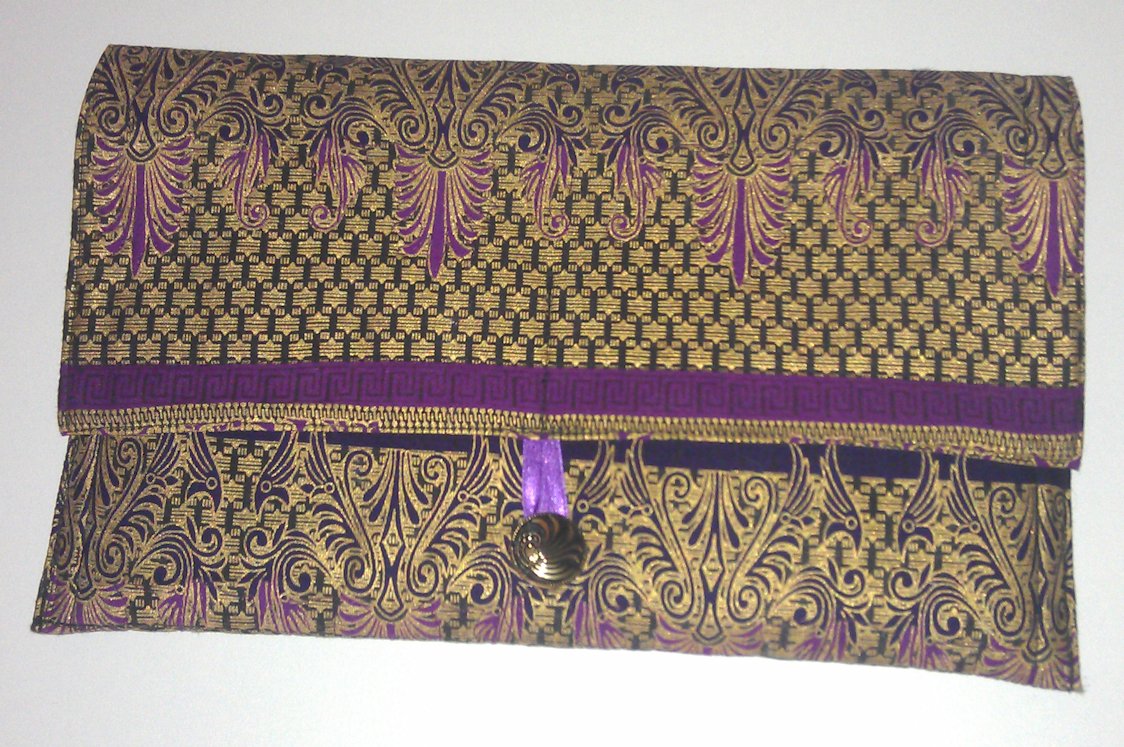
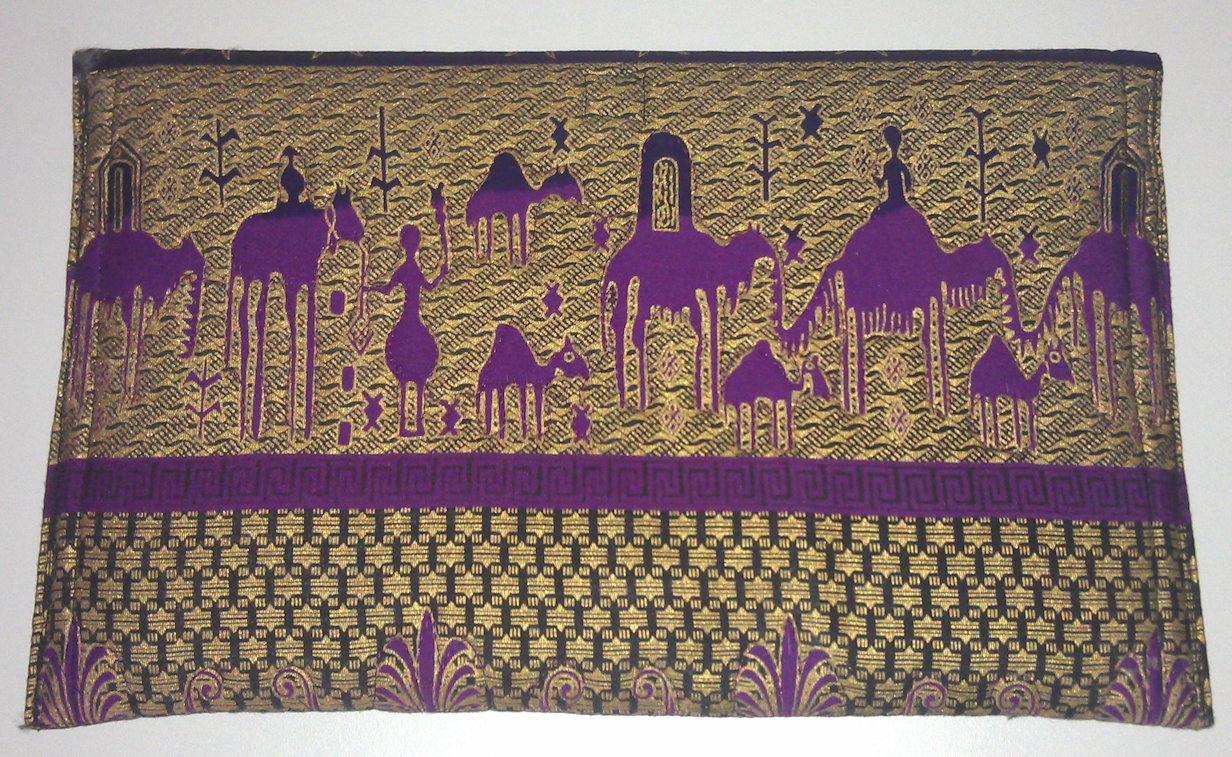
Make my own, of course! And even if I get the cover for the tablet in time for my Bali trip, I needed something that would hold the charger and cords too, so I really needed a protective padded clutch or sleeve of some sort. And what better way to use some gorgeous fabric I bought in Bali last September.

I didn’t use a pattern as I’ve made clutches before.

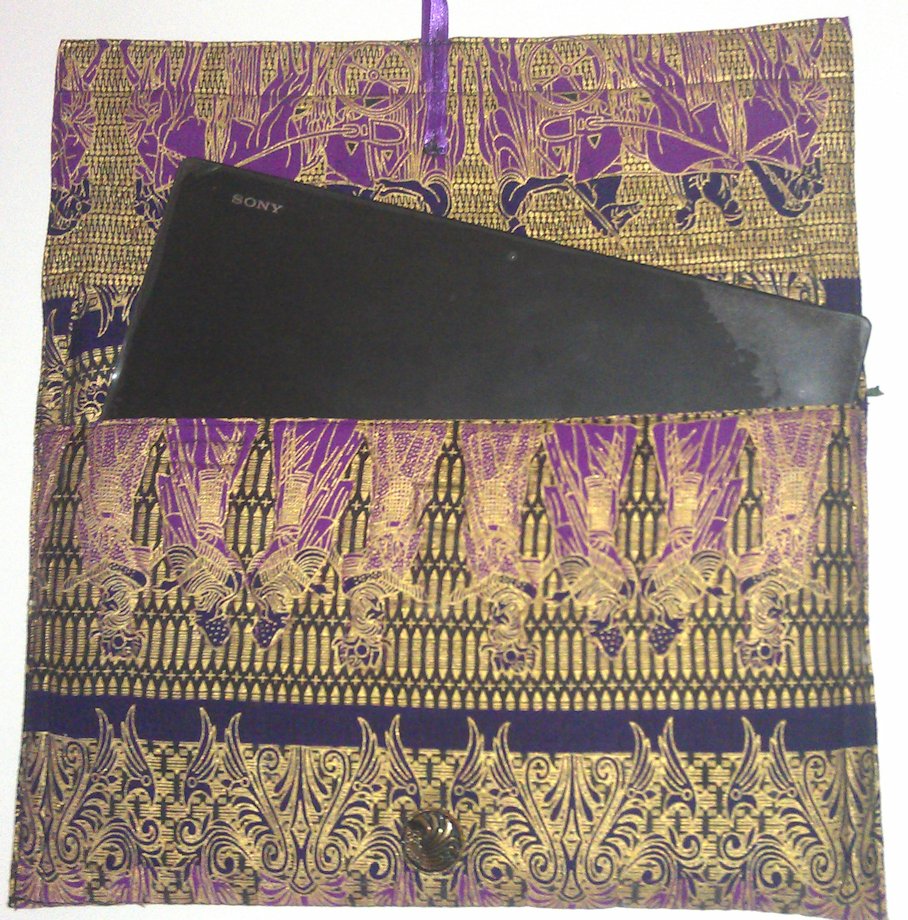
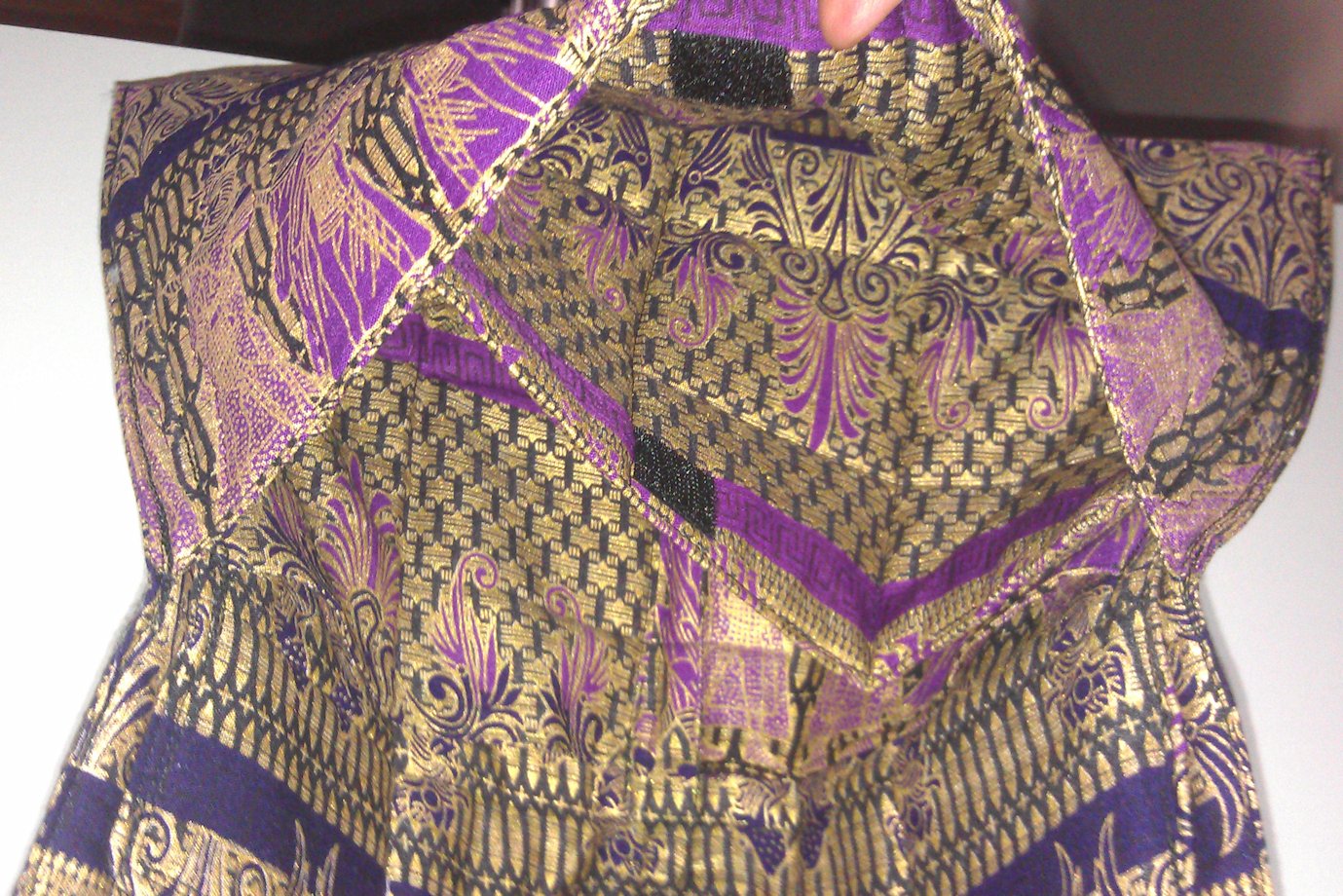
I measured twice and cut once, but my first effort was way too short! D’oh! What a waste of perfectly good fabric, though I thought I’d be able to make a standard clutch for my Etsy store out of it later. Fortunately, I had a couple of metres of this fabric so I started again, this time making it longer and slightly wider. I had a bit of left over fabric from the first attempt, so figured I’d make some pockets to go inside the clutch for the charger accessories. And then I had a brainwave! Why not use the first failed attempt as an inner pocket (giving me two BIG pockets and providing even more padding)? When life hands you lemons, make lemonade!

I sewed the little pockets onto the failed attempt, then sewed the whole piece inside the new main piece, then added some Velcro closures to those large pockets to prevent anything falling out when the clutch is open, and sewed the whole thing together. Finally I added a cute matching button and piece of ribbon for the main closure (I didn’t want Velcro here because if I’m on a long flight to the US, I don’t want to disturb others ripping open a Velcro closure — I’m considerate like that ;-))

Every seam in this clutch is completely enclosed (even the little pockets are fully enclosed!) and I used a fusible Pellon batting, so the clutch shouldn’t generate any dust that might get into the tablet. And I made sure the tablet would be well-covered by the double layer of padding — it only just pokes its head out. I now have a clutch that can fit my tablet, two small (about 4×4 inch) pockets, and two large pockets for the accessories, boarding pass, pen, passport, credit card, banknotes, etc.

I was quite pleased with the outcome! (The photos aren’t as good as I hoped — it’s hard holding a pocket open while trying to take a photo one-handed with your phone!)

Update: I never did use this clutch, so it’s now available for sale from my Etsy store: https://www.etsy.com/au/listing/605098302/purple-gold-and-black-clutch-purse

Front:

IMAG0995

Back:

IMAG0996

Tablet snuggled in:

IMAG0997

IMAG0998

Pockets galore!:

IMAG1002

IMAG1003

IMAG0999

IMAG1000

IMAG1001


Community Quilt 103

18 08 2013

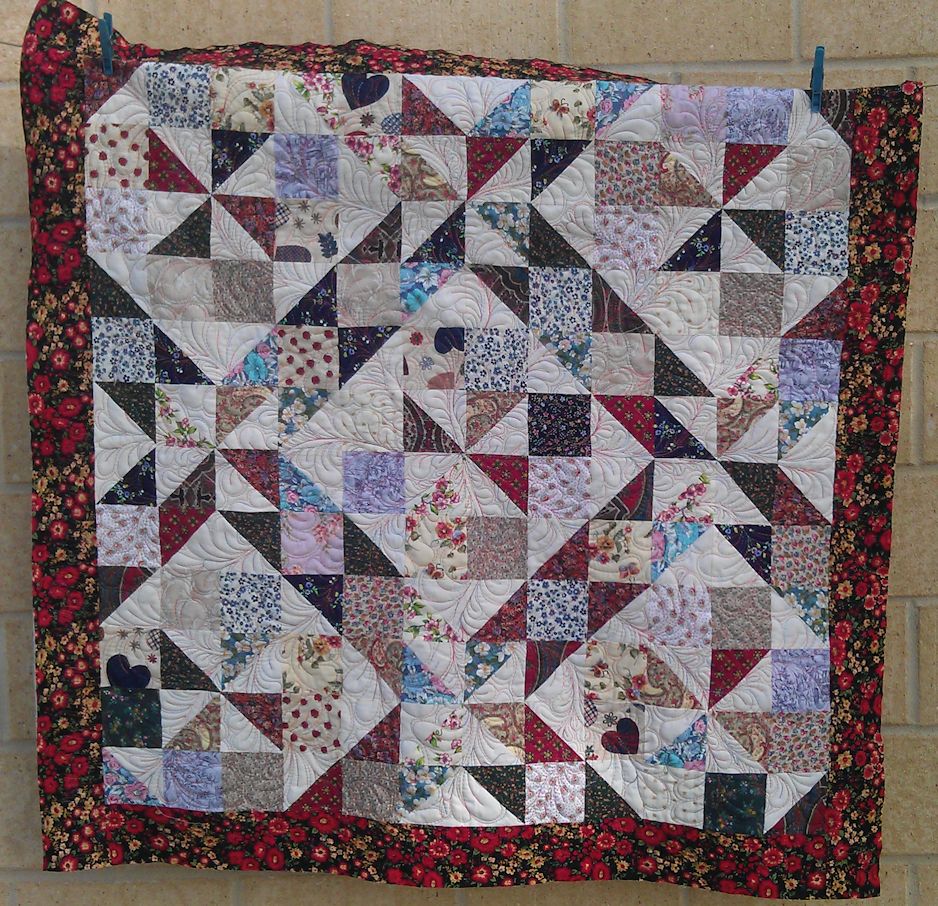
This was a fairly ‘busy’ scrappy quilt, with an equally ‘busy’ border fabric.

I decided to quilt it in feathers, starting from the centre and working out along the diagonals and from the centre to the mid-point of the sides, with a few extra stems added so that no feather was super large. In each feather, I also stitched a centre spine to reduce the puffiness.

I used a variegated thread in red, blue, purple, green and orange for the feathers and the same thread for the flames in the border fabric.

(Click on a photo to view it larger)

quilt103_01

quilt103_03 quilt103_02


Back:quilt103_05

quilt103_04

Threads used:

  • Top:  Superior Rainbows ‘Carnival’ (40 wt, trilobal polyester; colour #821)
  • Bobbin: Wonderfil Deco-Bob (80wt, colour DB 414)