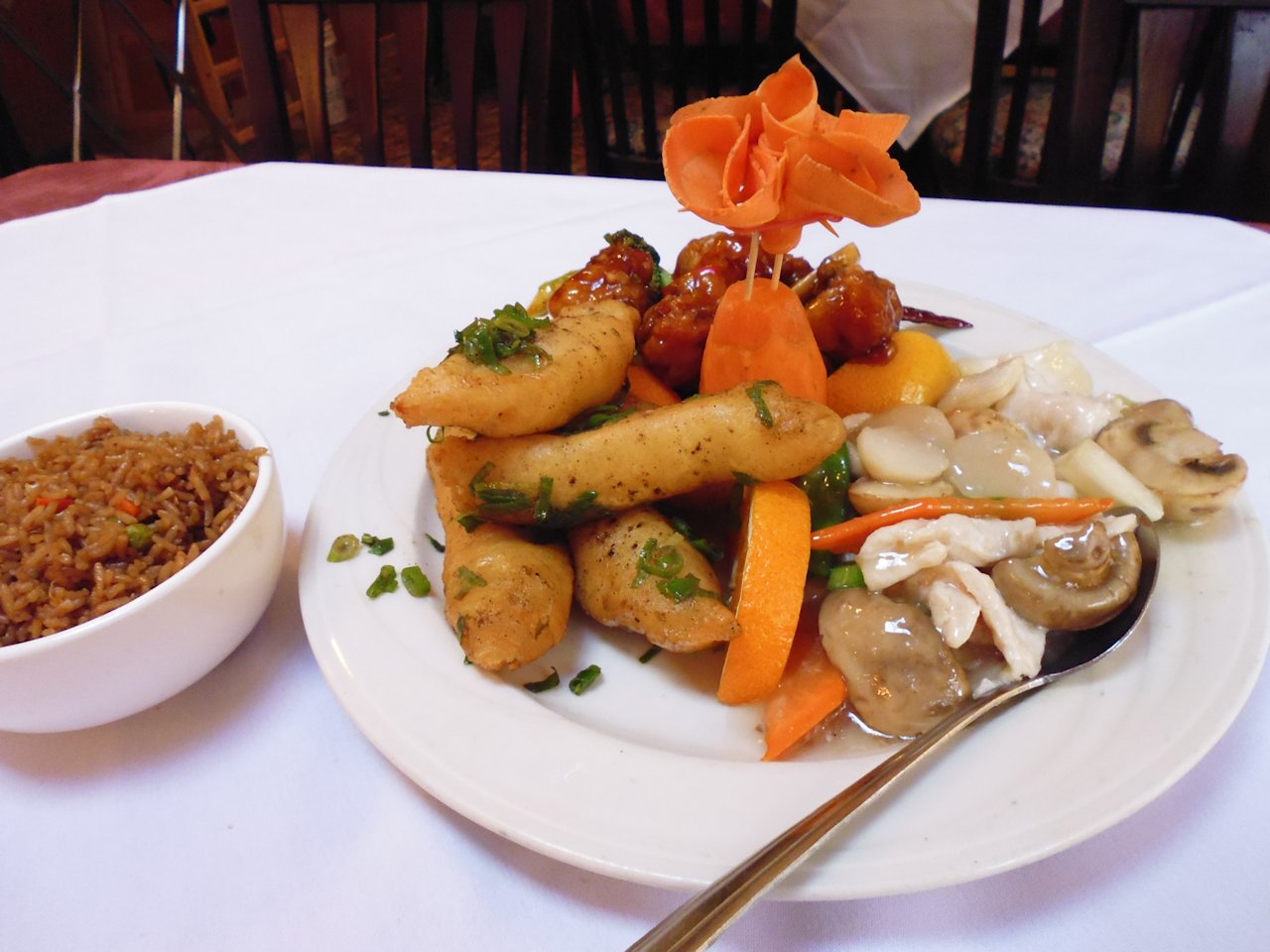
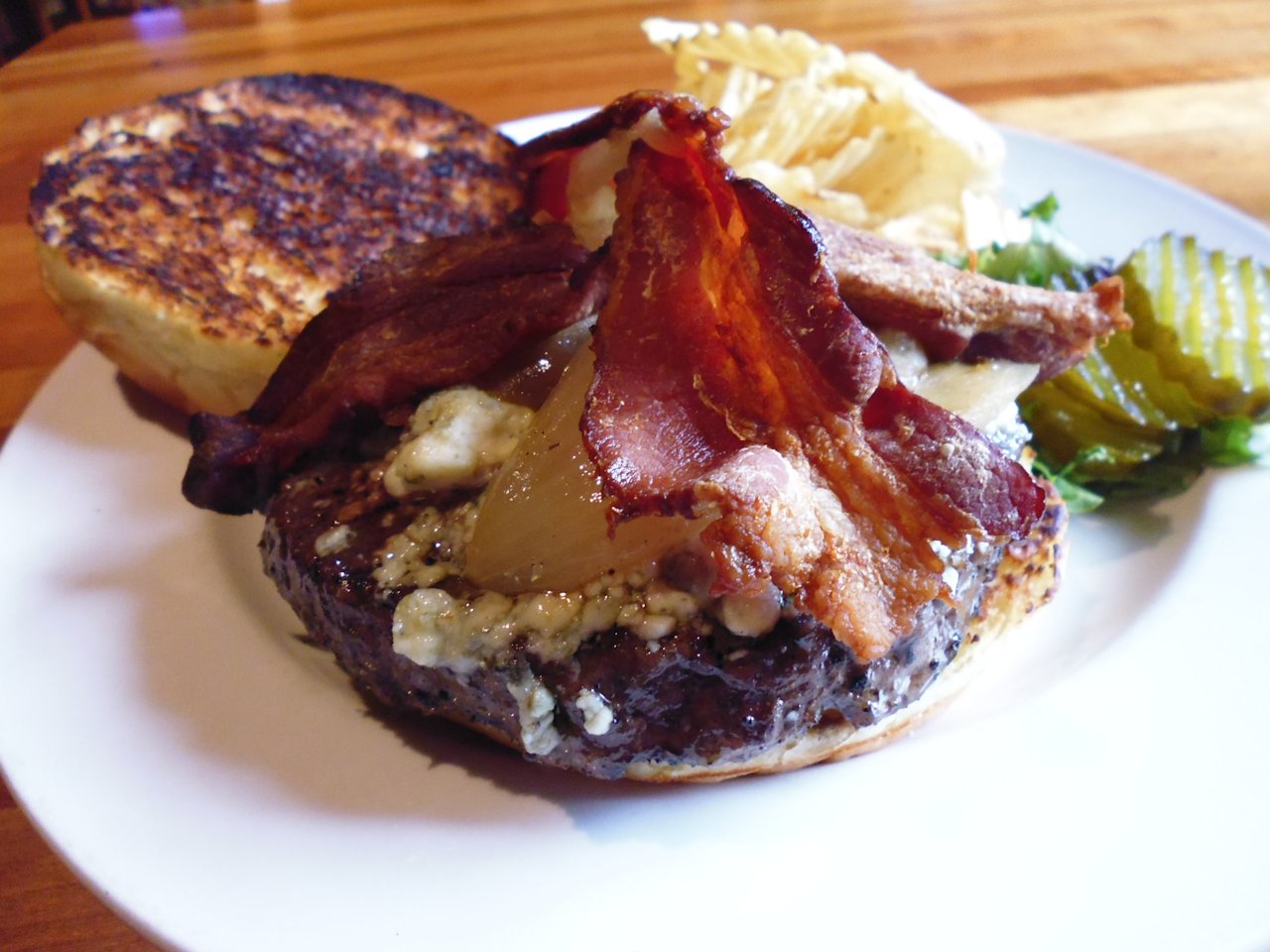
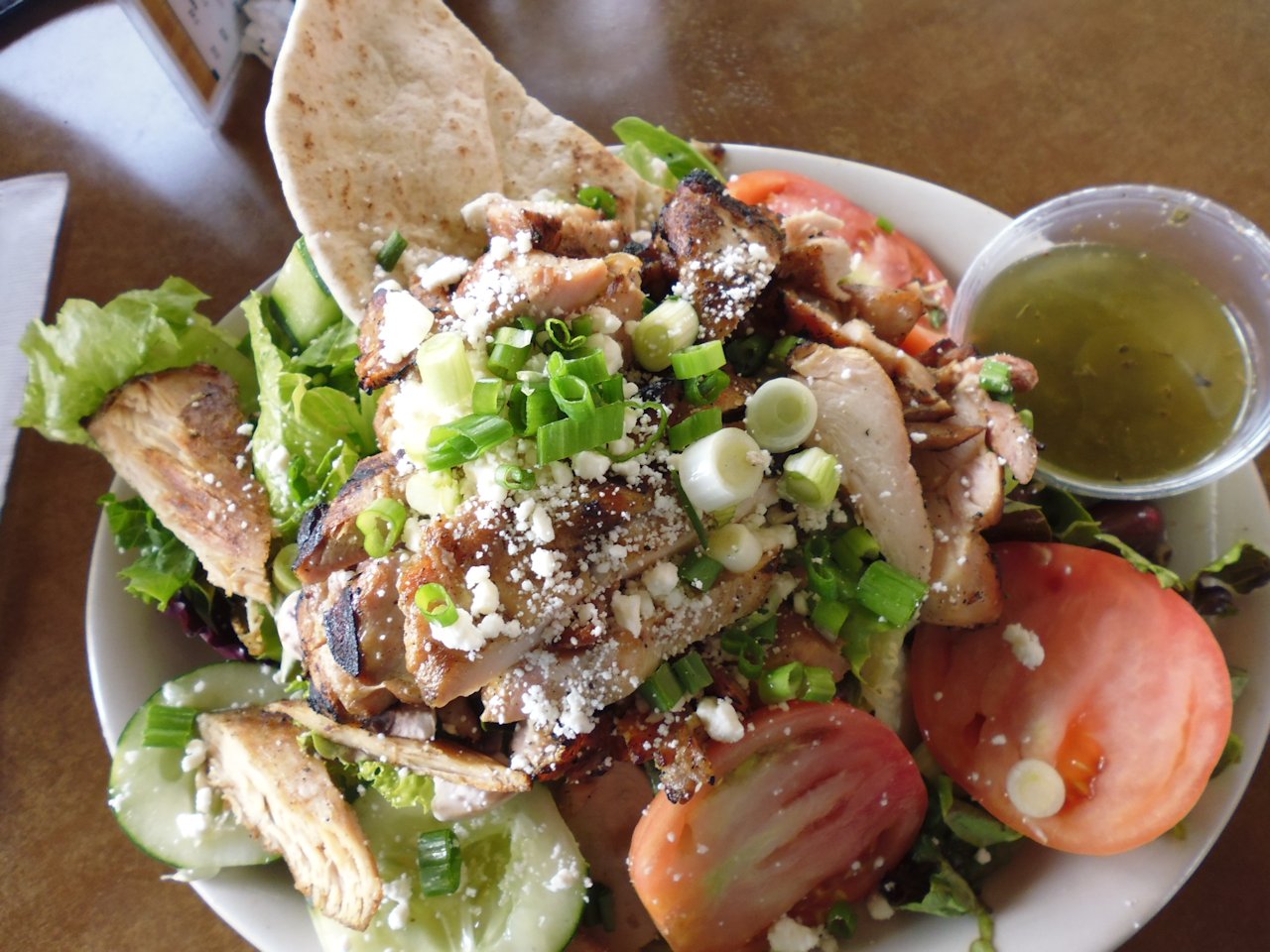
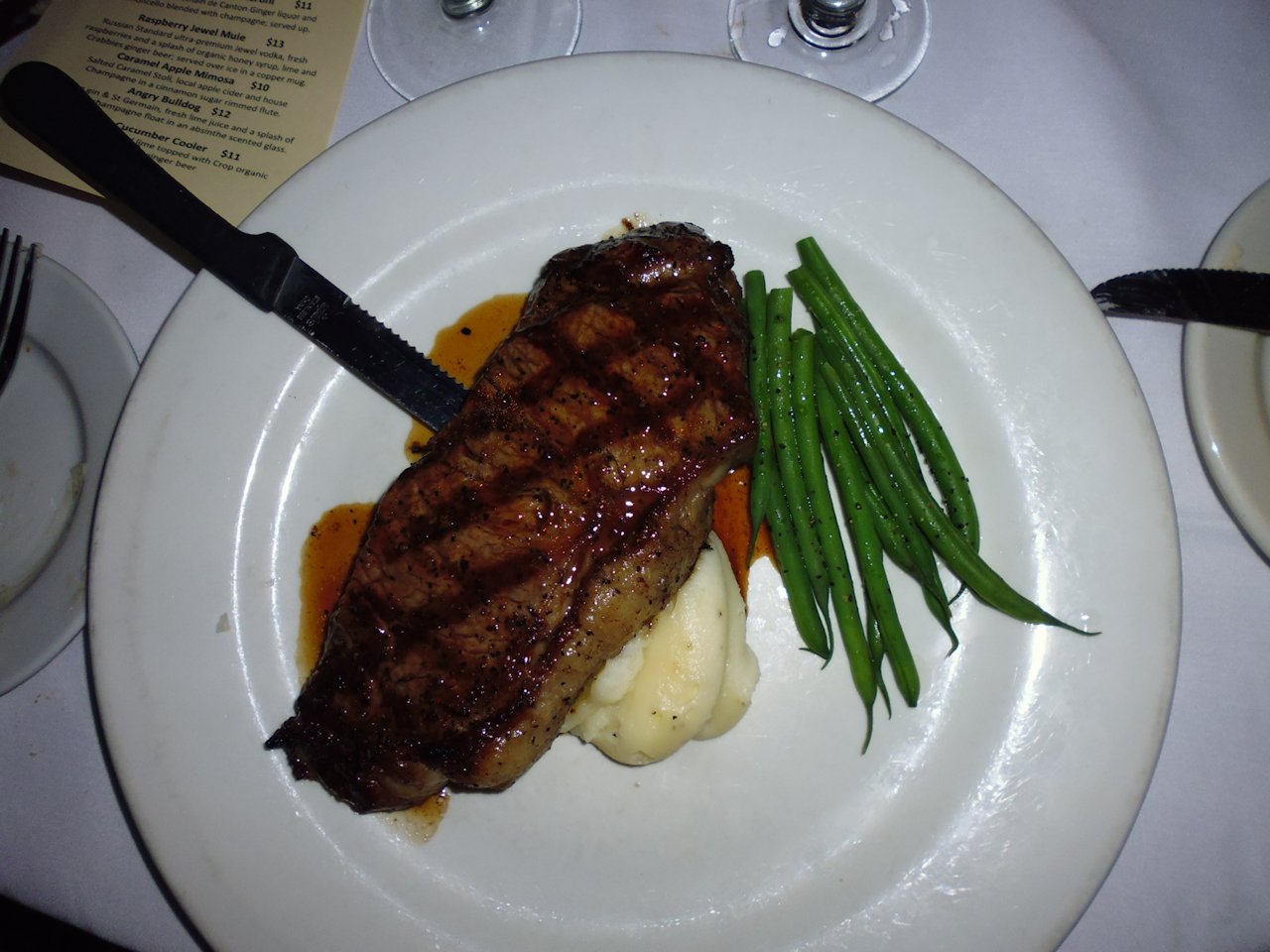
So far on this trip, I’ve eaten some great meals in the US. Here are a few; I’ll add more as the tour gets underway:

Jamaican pulled pork sandwich with parsnip and slaw, and hot jerk sauce (Jamaica Mi Hungry food truck, Boston harborfront)
So far on this trip, I’ve eaten some great meals in the US. Here are a few; I’ll add more as the tour gets underway:

Jamaican pulled pork sandwich with parsnip and slaw, and hot jerk sauce (Jamaica Mi Hungry food truck, Boston harborfront)
I’m currently in the US for a conference. After a nice long walk this morning, I had breakfast in one of the hotel’s restaurants (I looked to eat elsewhere but it was Easter Sunday in a downtown area and nothing else was open).
When I first sat down my server offered me a coffee, but I declined (I don’t drink coffee) and instead asked for a green tea, which I drink very occasionally. He brought me a tea bag, a pot of hot water, and an empty mug for my tea and a nice big glass of iced water.
After my meal, he brought the check and I noticed that I’d been charged $4 for ‘hot tea’, which I’d had to ‘make’ myself.
As a general interest query, I asked him if customers who said ‘yes’ to the offer of coffee got it for free. He said they did, so then I asked him why coffee is free in many places in the US, but you have to pay for tea. It wasn’t an accusatory conversation — I genuinely want to know the reasoning behind it. Coffee itself is not free — someone has to grow it, harvest it, roast it, package it, export it, import it, distribute it, grind it, brew it, etc. And the price of coffee fluctuates with supply and demand and other economic forces as most commodities do. Yet in the US it’s expected to be provided free with a meal in many places, or as a bottomless cup where you pay a token amount for the first cup (e.g. $2) and can refill as often as you like. Obviously, that’s not the case in specialty coffee places like Starbucks and others.
If a restaurant provides coffee for free then why don’t they provide tea (and soft drinks) free of charge too? And if they charge for tea and soft drinks, then why don’t they also charge for coffee?
Is it ‘tea discrimination’?
Can someone explain WHY coffee is free in many places in the US but other beverages aren’t, despite them ALL being a cost the restaurant has to bear? And ‘it’s always been like that’ isn’t an answer!
By the way, as far as I know in Australia you pay for your coffee by the cup — it’s rarely, if ever, free.
I cooked up a storm for 3 hours on Friday afternoon — the aim was to fill the freezer with prepared meals so that on the nights I don’t feel like cooking, I can always grab something and heat it up for our dinner. I’ve been doing this for decades, and it works well.
In that 3 hours I made:
And yes, we ate the crusty loaf of bread (in the foreground of the photo) that night with some of the pumpkin soup!
We were up early this morning (as we have been every morning… even when we didn’t have to be) and on the road to the place where we were meeting the River of Grass representative for our Everglades airboat tour. Their advice was to do an earlier tour before the animals hide away from the airboats and/or it gets too hot for them to be out.
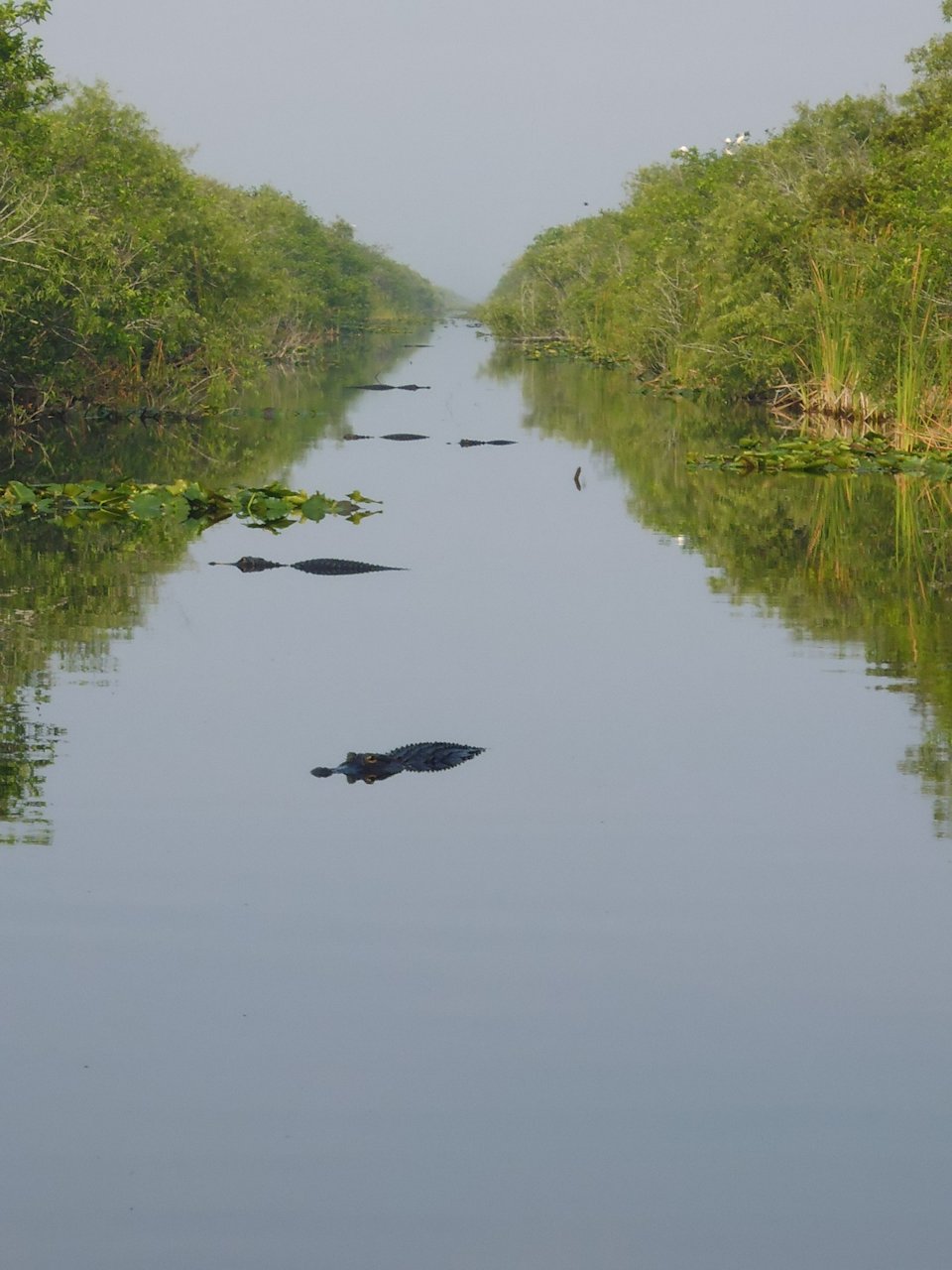
Bob was our very knowledgeable and competent driver who showed us some fantastic sights in the 90 exhilarating minutes we were on the airboat. We saw HEAPS of alligators and birds, and lots of various vegetation.
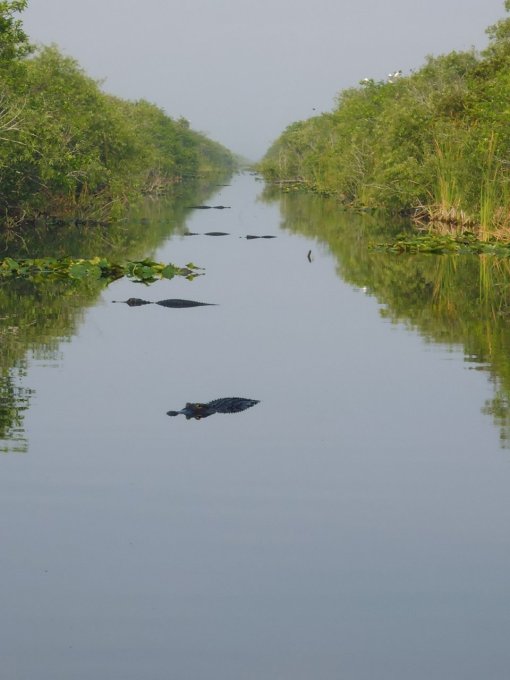
“Hello, breakfast!”This tour and the kayaking in the mangroves in Key West were the best nature-based highlights of this trip, and I would highly recommend both.
After the airboat tour, we drove further down Highway 41 to the Miccosukee Indian lands. We had a nice lunch at their restaurant (Indian tacos for me, and we split a Florida Orange Sunshine Cake), then wandered around in their gift shop where I saw some of their patchwork designs. The Miccosukee are part of the Seminole nation, thus many of their patchwork designs are what I would call ‘Seminole’ patterns.

This evening we caught a cab to South Beach (which was much further than it looked on the map!), meeting the organiser (Marie, originally from Denmark) and the six others on the South Beach Culinary Tour.
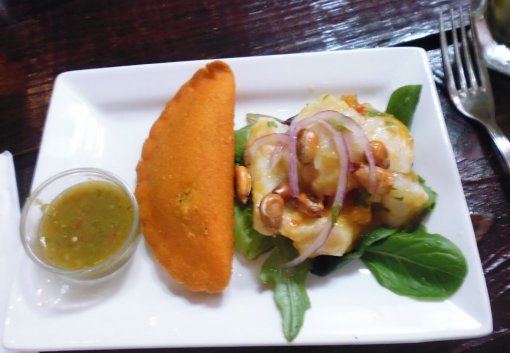
Our first stop was Bolivar (on Washington Ave) to sample some Colombian cuisine (empanadas and a fish ceviche of some sort; the two vegetarians had suitable versions of these). By the way, Bolivar also does a very nice mojito!
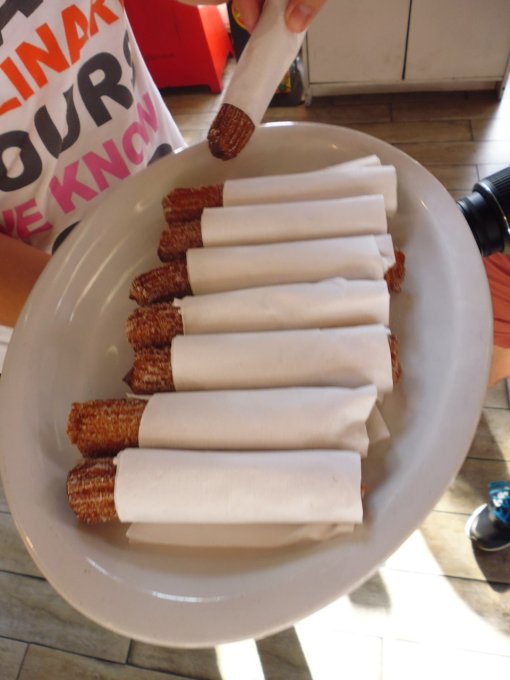
Next was Manolo, where we tasted Argentine-style churros filled with a caramel made from condensed milk. Yummy!
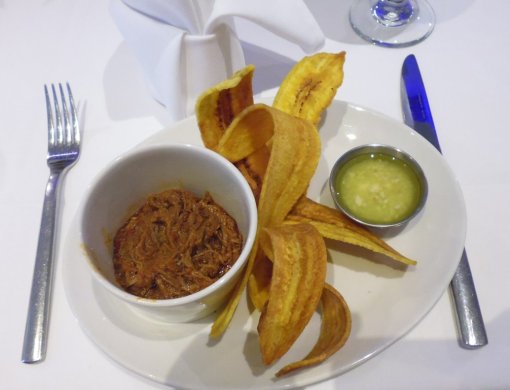
At Larios on the Beach (Emilio Estevan’s restaurant on Ocean Drive), we were all taken with the clean and crisp interior design. There we were served a Cuban dish (can’t remember what it was called, but it translates as ‘old clothes’) of a slow-cooked beef mixture, with fried plantain strips. NOTE: All the dishes served were fairly small – the aim was to get a taste of the various cuisines available in South Beach.
After looking at some different architectural styles along Ocean Drive, our next stop was The Tides, a classic Art Deco building that is now a luxury hotel. There we had a lovely delicate Moroccan-style chicken curry dish on a bed of Israeli couscous.

Next we turned away a little from the beachfront (we never did see the actual beach!), and stopped at Blocks Pizza Deli to sample one of their vegetarian pocket pizzas (sun-dried tomatoes, spinach, VERY salty feta, basil, etc.) made with their own sourdough crust. The crust was delicious as would the pocket pizza have been had the feta not been so salty.

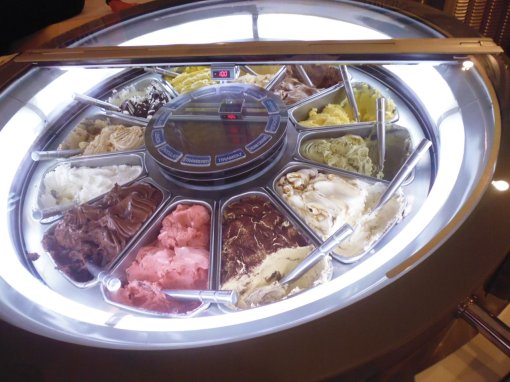
Our last stop was Milani Gelateria, where we had Italian gelato. I had the vanilla and it was lovely. My only concern was that the server did not wear food handling gloves or something over his hair as he reached in and scooped the gelato.
Overall, I think this walking tour gave us a good taste of the various cuisines in South Beach, which is what it intended to do. As an Australian, almost all these cuisines were unfamiliar to me, so I got quite a bit out of it, as well as some delicious-tasting food! The company—Miami Culinary Tours—has several tours, including one for Little Havana, which would also be interesting.
I’ve been meaning to write this post since mid-December, but a house guest, Christmas, summer holidays etc. got in the way.
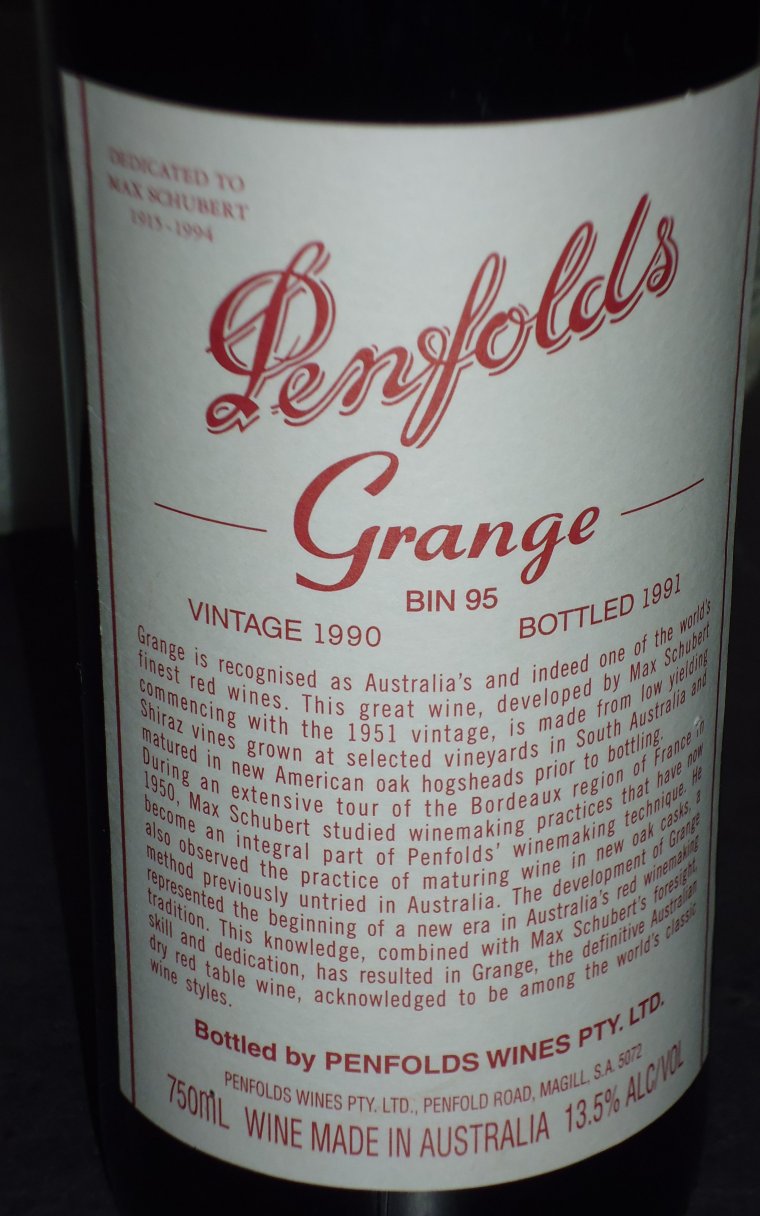
I had a significant ‘zero’ birthday in December, and to celebrate, we intended opening and drinking a bottle of 1990 Penfolds Grange for the occasion (I had purchased it in the early 1990s and we kept it for this birthday). This is a significant wine, and reputedly one of the best Grange vintages ever produced.
The obvious food to go with such a red wine is steak, and we have a couple of favourite steak restaurants that we like to go to. One of our favourites for special occasions is a steakhouse in Albany, a 750 km (approx 8-hour) round trip from where we live.
As Albany is so far away, we only go there about once a year, and we always stay at least one night, usually two. While in Albany, we eat breakfast along the cafe strip in York St, and often purchase clothes for one or both of us from local businesses. And of course, we purchase fuel on the way there and back, and have our meal at the steakhouse one night and at another local restaurant the other night. All up, I’d guess we would spend well over $500 in Albany if we stay two nights, and potentially more than $1200 if we also buy clothes and local wine.
But this year Albany missed out on all those tourist dollars. Why? Because of one restaurant’s policy in no longer allowing us to bring our own wine (BYO), despite their website menu saying that we could (http://www.rustlers.com.au/images/user-images/documents/Rustlers-Drink-Menus-2013.pdf — see the item for ‘corkage’ at the bottom of the second page). Yes, we were prepared to pay corkage to drink our own wine (for those not familiar with Australian restaurant lingo, corkage pays for any serving of your own wine by waitstaff and providing/cleaning the glassware), but we were prevented from doing so by their policy.
I called the steakhouse to find out if we could bring this special bottle of wine for this special occasion. I was told no (their website — but not the drinks menu — says ‘Strictly no BYO’, so there was a mismatch of information there and I queried them on it). I was told that as they now had a tavern license the Liquor Act prevented them from allowing BYO. I was surprised, as I didn’t think any restaurant in our state could legally prevent a customer from bringing their own wine. Yes, they could actively discourage it, but I didn’t think they could stop it. I checked the Liquor Act and found NOTHING in there that prevented this, although I did find a clause that said a licensed premises could make some decisions about BYO for ‘commercial reasons’. That’s NOT the same as blaming the Liquor Act for this policy, which is what the restaurant did.
The upshot of this commercial decision by the restaurant is that the Albany region lost out on more than $1200 tourist dollars, just for the sake of a single bottle of wine. Where do I get this figure from? Let me break it down, based on past experience:
We were just two people. Extrapolate this $1000+ to other couples or families and you can see that a single policy such as this one could have negative flow-on effects to the local economy. Instead of injecting $1000 or more into local Albany region businesses, we spent nothing there at all.
By the way, our local steakhouse (also a tavern, so if there was something in the Liquor Act they would have said so) allowed us to bring the wine and so they got our business for the evening, which was just $100 as we went home after dining there and spent nothing more on other activities that you participate in as a visitor to a region.
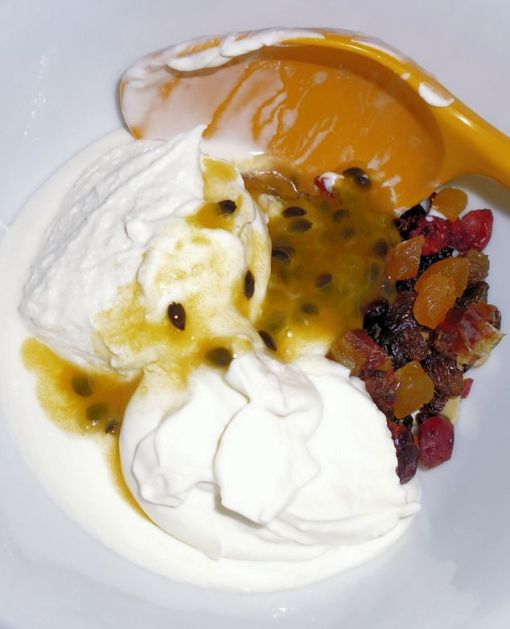
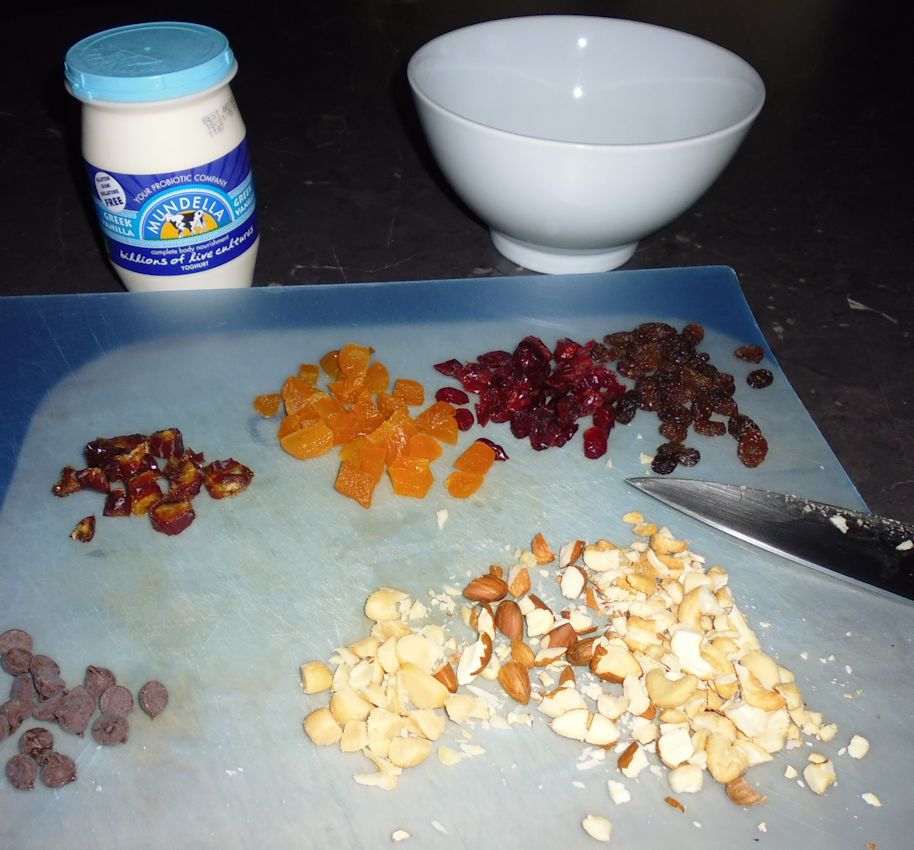
Making these is SUPER simple and requires about 2 minutes preparation, then waiting a few hours (or overnight) for them to harden. I’ve made heaps this summer, and they are a great healthy snack. The only equipment you’ll need that you may not already have is a set of ice cream/popsicle moulds — many kitchen stores sell them for about $10.
Ingredients:

Method:
In a bowl mix all the ingredients using a spoon (this takes only seconds).

Spoon into the ice cream moulds leaving a small air gap. If the mould allows it, tap the base on the counter a few times to release any air bubbles and settle the ingredients into a solid mass. Add the sticks. Place into the freezer for several hours or overnight.
To eat, run the mould under some hot water for a few seconds then wiggling the stick slowly, carefully loosen and release the ice cream from the mould. If it’s stuck, run it under a bit more hot water.
Enjoy!
In a shopping arcade in Santa Fe is a kiosk that sells chocolates. I bought a tequila lime salted caramel one, and oh my, was it good!
Great name for a product! Kanga Bangas — sausages made from kangaroo meat. (‘Bangers’ are an English/Australian slang expression for sausages; Americans call them ‘links’.)
Spotted in my local supermarket. I think the meat to the left of the sausages is kangaroo steak, and to the right are kangaroo burgers. For those who’ve never eaten it, kangaroo is somewhere between beef and venison. It’s VERY lean, so the steaks are best when marinaded for a bit and grilled on the BBQ. Kangaroos aren’t farmed at all as far as I know, so these are wild game.
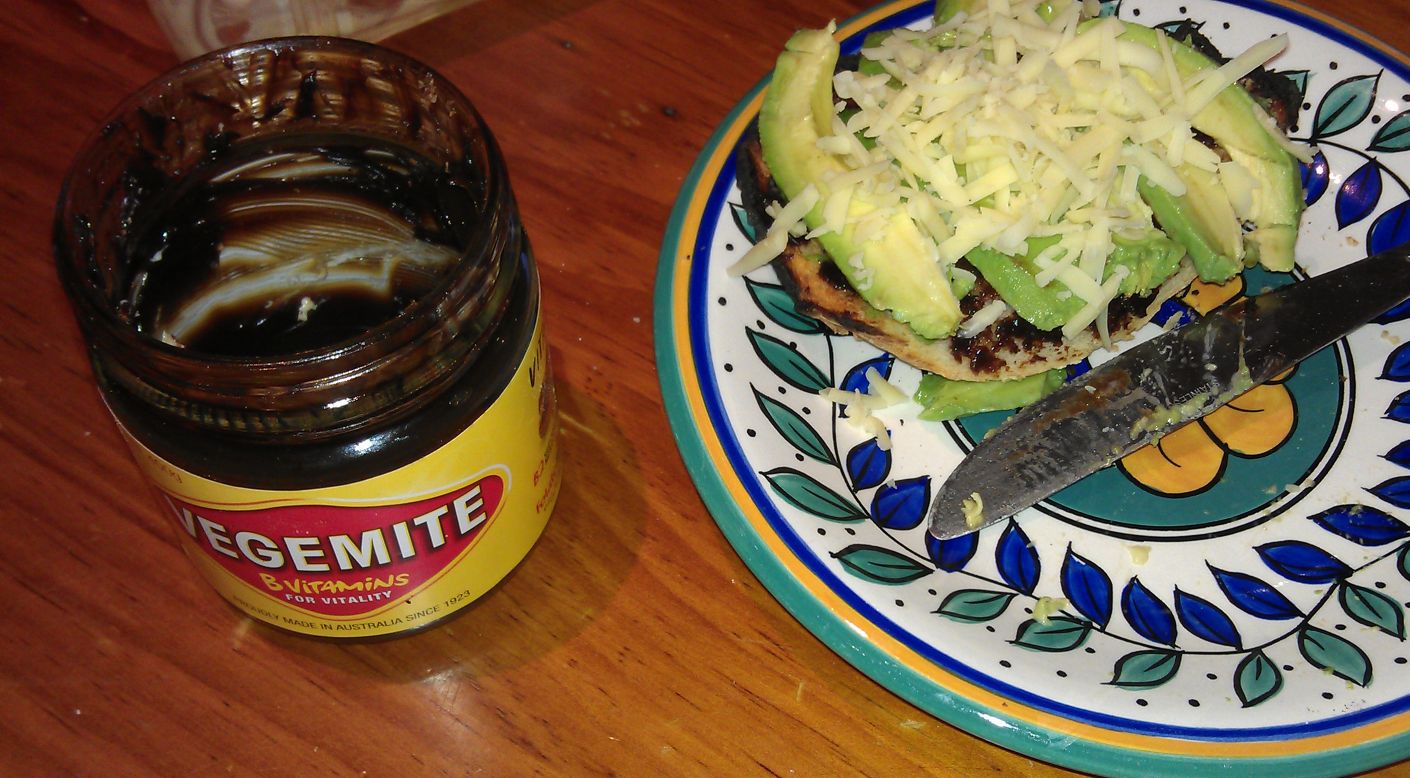
As an Aussie, I like my Vegemite! I don’t eat it often, mostly because I rarely have toast for breakfast, but like most Australians, I was born and bred on the stuff so when I do have it, I enjoy it. The standard way to eat Vegemite is lightly smeared on buttered toast, or on fresh bread with (hard) butter, or perhaps with cheese. Other options I’ve tried and enjoyed are with cheese and celery, and even just with celery.
On my recent quilting retreat weekend away, I toasted the crusty end of a loaf of bread and was going to have it with avocado, but one of the girls suggested Vegemite then avocado and then topped with cheese. Yummo! It was great! I’ll add that one to my breakfast repertoire.
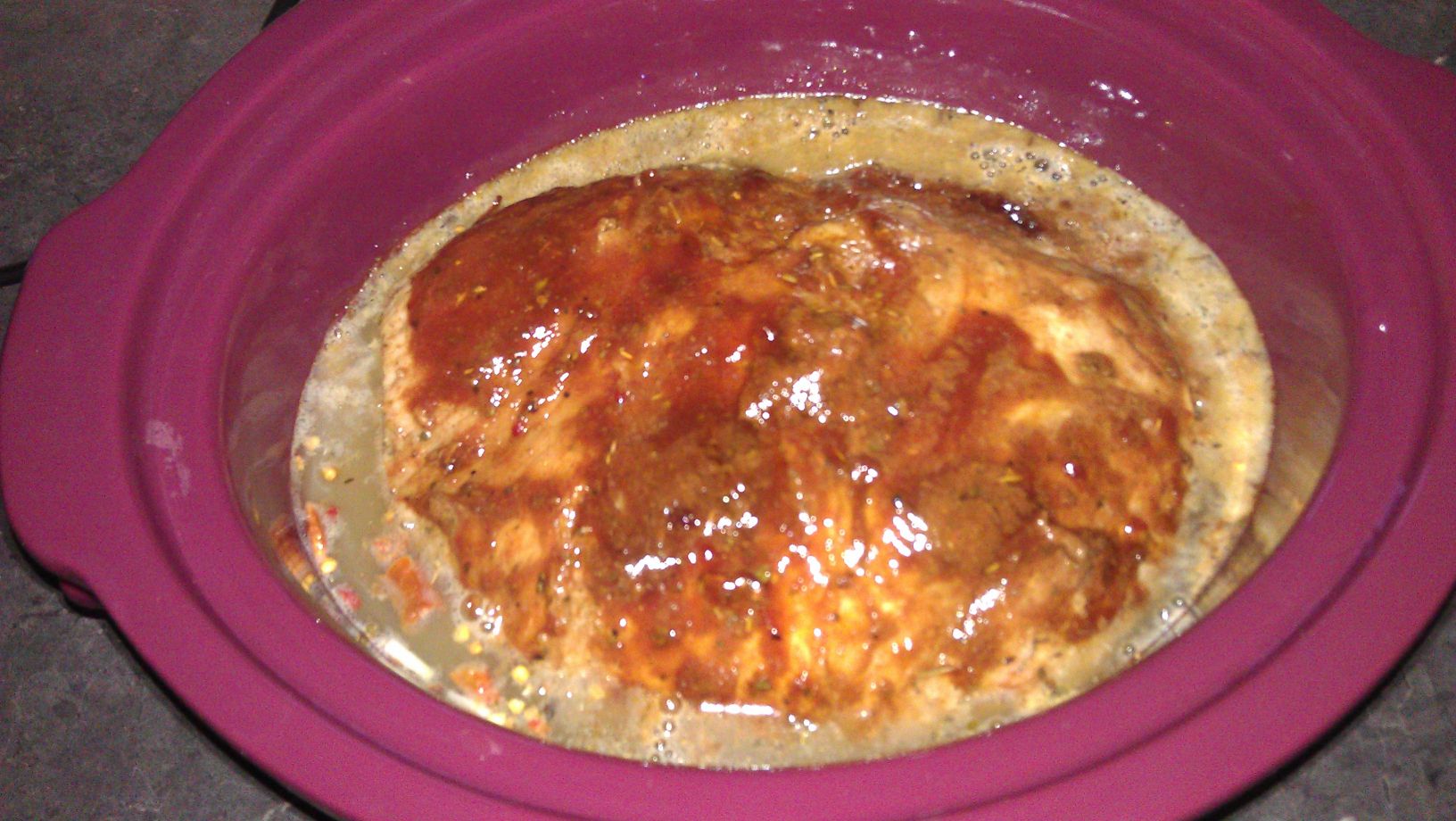
I’ve made this several times now, and I keep changing the basic recipe 😉 This time, I brushed the boned leg of pork with smoky BBQ sauce before putting into the cooker, and during the cooking process. And on the advice of the butcher, I took off the skin before putting the pork in the cooker and cooked it separately in the oven for an hour and a half to make a wonderfully crisp crackling (olive oil and salt rubbed in to the skin first).
And this time, I also made jalapeno poppers (baked not fried) and baked some ready-to-bake baguettes to serve with the pork.
Instead of pulling it apart at the end, I sliced the pork quite thickly and we had it on the hot freshly baked baguettes, with extra smoky BBQ sauce and the jalapeno poppers on the side. The pork was unbelievably tender and delicious (the butcher also said he only ever gets pork from sows as it’s much tenderer and less ‘smelly’ than pork from boars).
The jalapeno poppers were good too — I didn’t make the ‘essence’ that’s in the recipe, just added cumin and a Cajun spice mix to the cheese mix. Interestingly, the jalapenos varied in heat — some were quite bland, others very bitey! Four jalapenos resulted in 8 halves — 3 for me and 5 for my DH, which was plenty.
The photo below is while the pork is cooking after a basting of BBQ sauce. It’s doesn’t look very appetising, but it sure tasted good!